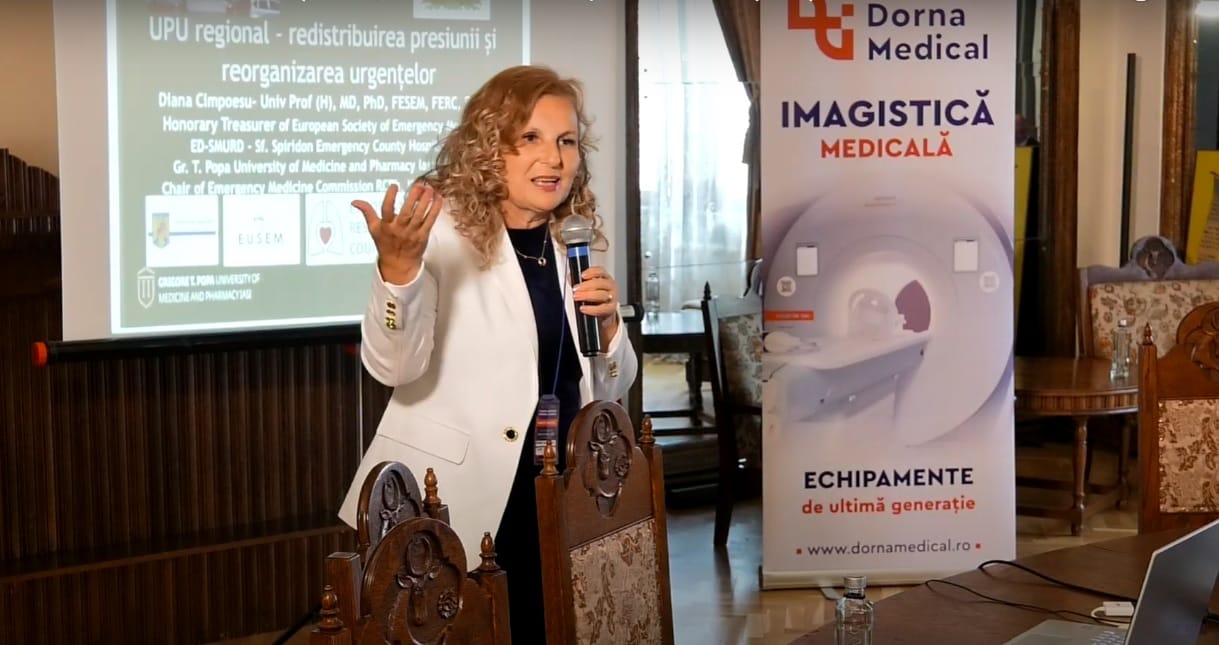
Chief Physician of UPU-SMURD Iași, Diana CIMPOEȘU, at FERM 2025: “Health is critical infrastructure. Without reorganizing emergency services, we risk collapse”
Mesaje publice
REGIONAL ECONOMIC FORUM MOLDOVA 2025
19th Edition – Vatra Dornei, July 9–13, 2025
Thematic Panel:
Health and Medical Services in the Moldova Region
Speaker:
Prof. Univ. Dr. Diana Cimpoeșu – “Sf Spiridon” County Emergency Clinical Hospital, Iași
Topic of Intervention:
“Regional Emergency Department – Pressure Redistribution and Emergency Services Reorganization”
Prof. Univ. Dr. Diana Cimpoeșu, Chief Physician of the Iași Emergency Department (UPU-SMURD), directly and realistically highlighted the enormous pressure experienced by the emergency reception units in the Northeast Region and emphasized the necessity of reorganizing this essential segment of the Romanian healthcare system.
From “Scheduled Emergencies” to the Absence of Basic Services in Small Hospitals
Prof. Univ. Dr. Diana Cimpoeșu transitioned from administrative topics, such as contracts and scheduled services (physiotherapy), to the unpredictable realities of emergency medicine – that essential segment which often functions as the last bastion of the healthcare system when facing critical situations. In the absence of functional structures and an efficient case management network, the emergency system becomes the main support point not only for the population but also for institutions at all levels.
“From ministries to ecclesiastical structures or hospital administrations, in critical moments, all roads lead to emergency medicine.”
Northeast Region: Six Emergency Reception Units in a Medical Network with Structural Imbalances
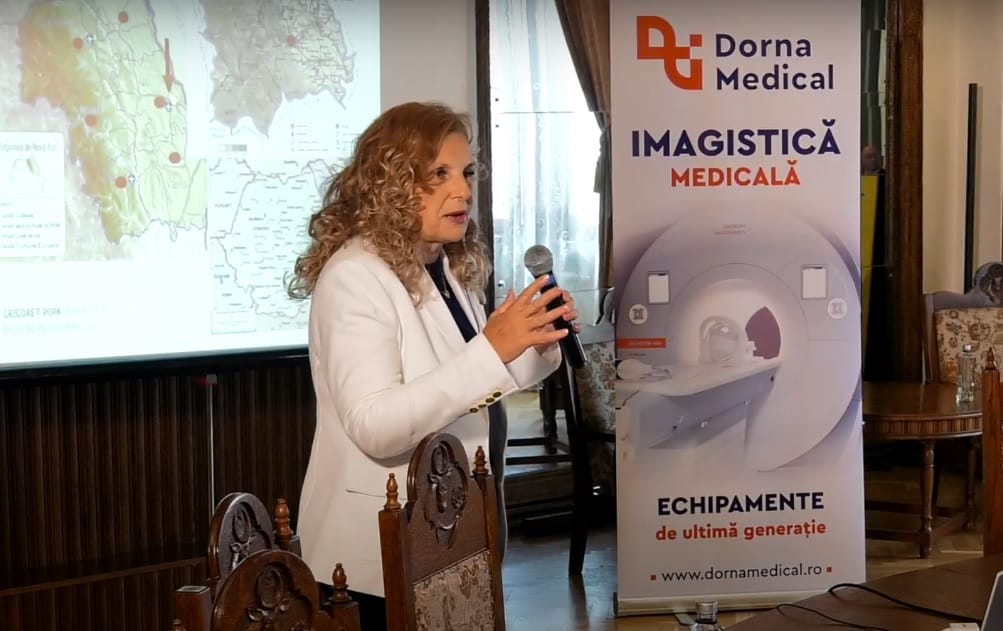
Coordinating the activity of six emergency reception units (UPU) and numerous emergency departments in the Northeast Region, Prof. Univ. Dr. Diana Cimpoeșu outlined a realistic picture of the regional medical network, marked by significant disparities between counties. Among recent examples, she mentioned the evaluation of the CPU Rădăuți for integration into the state-funded system, alongside the strategic unit within Suceava County Emergency Hospital.
“The network includes municipal hospitals, pediatric hospitals, and town hospitals – some equipped with emergency reception departments (CPU), others having only emergency rooms. These structures operate with limited resources, referring complex cases to county hospitals or managing them locally as much as possible. However, the pressure on the system is continuously increasing.”
Underfunding – a Systemic Obstacle to the Efficient Operation of the Emergency Network
The issue of financing emergency reception structures was addressed by Prof. Univ. Dr. Diana Cimpoeșu in a straightforward manner, emphasizing the discontinuities and inequities in the current resource allocation model. While emergency reception units (UPU) receive direct funding from the state budget, emergency departments (CPU), especially those in town and municipal hospitals, are supported only through contracts with the Health Insurance House, based on day admissions – a formula often considered insufficient and inadequate by hospital managers in the territory.
“Hopes for budget increases must be postponed. In the current economic context, marked by the accelerated rise of costs, it is increasingly difficult to ensure the operation of a regional emergency department, such as the one in Iași, but also a county emergency department under minimum efficiency conditions.”
Regional Emergency Department – A Strategic Response to an Acute Systemic Need
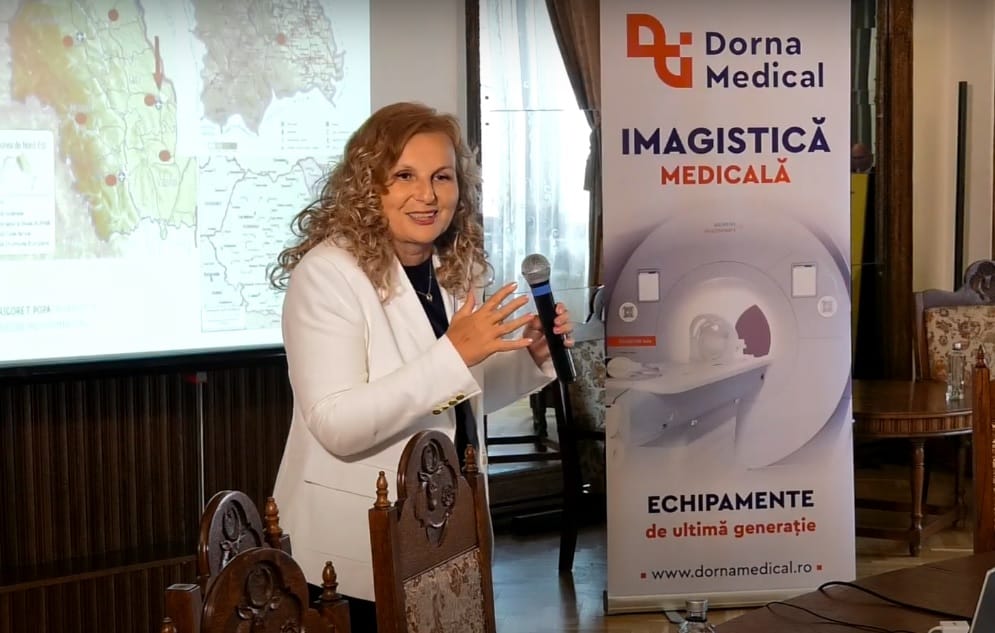
At the core of Prof. Univ. Dr. Diana Cimpoeșu‘s intervention was the concept of the regional emergency department (UPU regional) – a medical structure serving as a strategic node in the emergency network, designed to efficiently redistribute territorial pressure and to provide operational continuity in a region with multiple structural vulnerabilities.
“We constantly receive official requests from hospitals that cannot provide, for example, ophthalmologic emergencies on weekends. We take them over. This is the function of a regional UPU. The question is: until when and with what resources?”
Referring to the seasonal peak period, especially the months of July and August, when population mobility increases and medical staff face human resource limitations, Prof. Cimpoeșu highlighted the system’s vulnerability in the absence of coherent resource planning.
“Pressure becomes acute precisely at times when vacation planning is not coordinated with the real needs for medical coverage. In the absence of a functional regional coordination mechanism, everything inevitably shifts to already overloaded centers.”
“Victims of Their Own Success” – The Effects of Public Visibility and Demographic Changes on Emergency Departments
Another essential aspect highlighted by Prof. Univ. Dr. Diana Cimpoeșu was the overrepresentation of patients in emergency reception units (UPU), a phenomenon partly generated by the constant and positive visibility of the emergency system in the media. The frequency of publicized interventions – from air medical missions to complex SMURD team actions – has consolidated in the public perception the idea that the UPU is the place where any health problem, regardless of severity, can and must be solved.
“We are present daily in the news: helicopters, accidents, SMURD interventions. In people’s minds, this translates into an implicit message: any medical problem can be solved at the UPU. And they come. Many come.”
Adding to this factor is an increasingly pressing demographic reality: the growth in the proportion of elderly population (over 65 years), with multiple chronic pathologies, generates additional and constant pressure on the emergency system, which often becomes the only accessible option for this vulnerable category.
Call to Decision Makers: Emergency Medicine, an Essential Pillar of Critical Infrastructure
In conclusion, Prof. Univ. Dr. Diana Cimpoeșu delivered a firm and well-argued message to decision makers, emphasizing the need to perceive and manage the emergency system not only as a component of public health but as a critical national security infrastructure.
“Emergency reception units represent the permanently open gateway of the medical system. Without efficient pressure redistribution, without adequate funding, and without strategic integration of all component elements, we cannot truly ensure the health safety and resilience of the population.”
Conclusions:
Emergency medicine in the Northeast Region holds a crucial strategic role in ensuring rapid and efficient access to critical medical services in a context marked by continuous growth in demand and significant systemic challenges. The current infrastructure, consisting of six emergency reception units and multiple related departments, operates under heightened pressure fueled by both demographic needs and public perception of the emergency system.
Persistent underfunding, lack of clear mechanisms for pressure redistribution, and shortage of qualified personnel limit response capacity and service efficiency, especially during peak periods and in smaller hospitals. Under these conditions, strengthening a well-organized and funded regional emergency department (UPU) becomes imperative to provide a reference point and support for the entire regional system.
To guarantee the population’s health safety and the sustainable operation of emergency services, it is essential that decision makers address this issue with a long-term strategic vision, recognizing emergency medicine as a critical infrastructure requiring adequate resources, rigorous planning, and coordinated integration at regional and national levels.