Message delivered by Călin BRĂTEANU, Director of CPT, Suceava, at FERM 2025: “Tradition – a driver of community regeneration and cultural identity in Bukovina”

Mesaje publice
REGIONAL ECONOMIC FORUM MOLDOVA 2025
19th Edition – Vatra Dornei, July 9–13, 2025
Thematic Panel:
Culture and Regional Identity – Tradition, Innovation, and Social Cohesion
Speaker:
Călin Brăteanu – Director of the Center for the Promotion of Traditions (CPT), Suceava
Paraschiva Abutnăriței
Topic of the Intervention:
“Traditions as a Driver of Rural Regeneration – Crafts, Gastronomy, Tourist Routes”
At this year’s Regional Economic Forum Moldova (FERM), within Panel 10 – Culture and Regional Identity, the audience received a special message from Călin Brăteanu, Director of the Center for the Promotion of Traditions in Suceava. Although he could not be physically present at the event, his intervention – titled “Tradition as a Driver of Community Regeneration and a Vector of Cultural Identity in Bukovina” – was read by his friend and collaborator, Paraschiva Abutnăriței.
Bukovina – A Model of Intercultural Dialogue
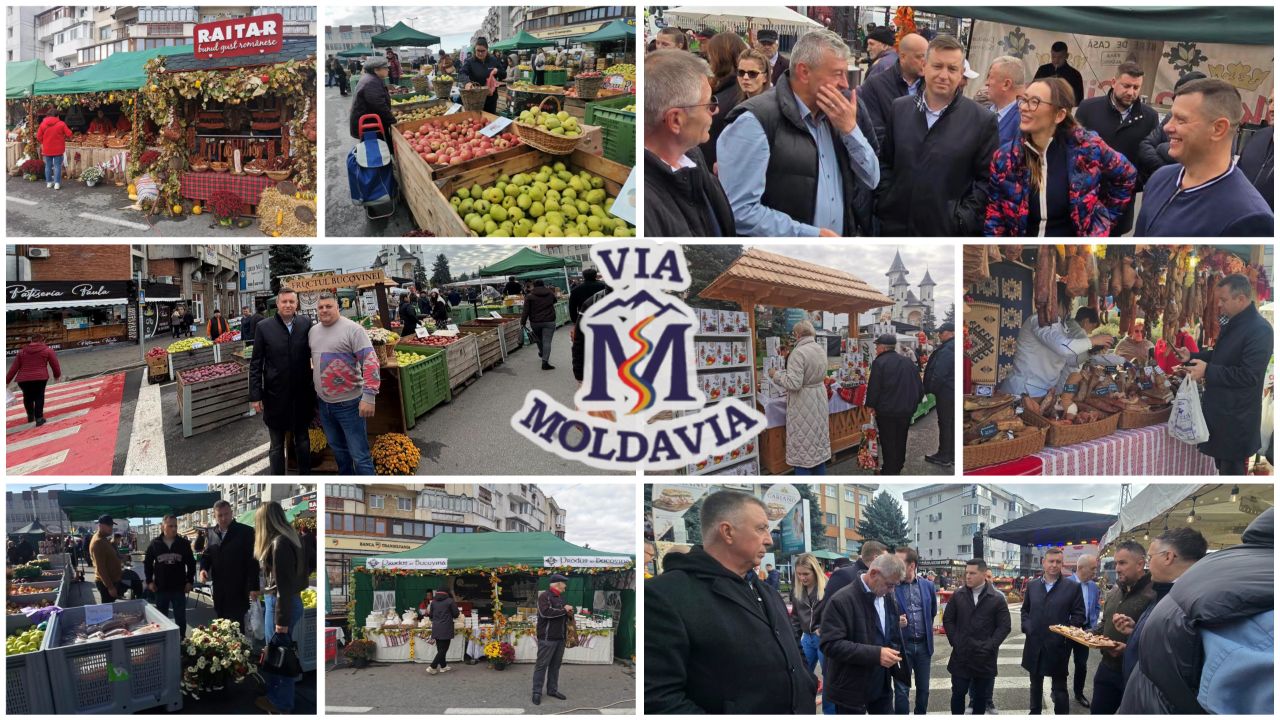
In his address, Călin Brăteanu emphasized that Bukovina is a unique territory, located at the crossroads of major Central and Eastern European cultures, where traditions have always been a foundation of community identity and social cohesion. The ethnic diversity – Romanians, Ukrainians, Poles, Jews, Germans, and other communities – is reflected in the architecture of villages, social organization, and the richness of traditional cultural and economic practices.
Today, as villages face demographic, economic, and social pressures, traditions become a vital resource for community regeneration and the strengthening of cultural identity, while also providing opportunities for sustainable development.

Living Heritage and Essential Dimensions
The message highlighted several defining elements of Bukovina’s intangible heritage:
-
Wood Civilization – from monumental churches and carved gates to artisanal furniture and agricultural architecture, all crafted with skills passed down through generations. These values are not only aesthetic expressions but also resources for tourism and education.
-
Shepherding – practiced for centuries in transhumant forms, with economic, social, and ritual roles, visible in customs such as the “sheep measurement” or “lamb baptism,” and in shepherd songs that set the rhythm of mountain life.
-
Traditional Home Industry – crafts with utilitarian, aesthetic, and ritual functions, part of the rural creative economy. Passing them on to younger generations is considered a strategic objective of cultural education.
-
Winter Customs – “polinile,” horse and bear dances, rituals blending pre-Christian and Christian elements, reaffirming community vitality and openness to intercultural dialogue.

From Heritage to Cultural Identity Product
Călin Brăteanu advocated for the conceptualization of an integrated cultural product for Bukovina, synthesizing these values, practices, and symbols, coherently integrating them into the tourist offer. This product could take the form of a thematic package including:
-
interactive craft workshops (wood carving, pottery),
-
gastronomic demonstrations with tastings of ritual and pastoral dishes,
-
thematic routes or cultural weeks in villages with heritage potential,
-
cultural guides and multilingual informational materials.
A common visual and narrative brand, ensuring authenticity and quality of experiences, would stimulate community involvement in the local economy and position Bukovina as a reference destination on the cultural tourism market, both nationally and internationally.
Tradition – A Resource for the Future
The message concluded that Bukovina’s traditions are not relics of the past, but active resources for community regeneration, sustainable development, and the affirmation of cultural identity in a globalized context. Their responsible practice can create a synergy between heritage conservation, village revitalization, and the promotion of authentic intercultural dialogue.
Thus, Bukovina’s cultural identity product would not only be a tool for tourism marketing but also a means of intercultural education and social cohesion, anchored in the values and traditions of a region with a strong historical and cultural imprint.
Conclusion
The message delivered by Călin Brăteanu at FERM 2025 emphasizes that Bukovina’s traditions represent more than historical relics; they are living, active resources capable of regenerating communities, strengthening social cohesion, and consolidating local cultural identity. By responsibly leveraging them and integrating them into a cultural identity product, these traditions can support sustainable development, stimulate cultural tourism, and create new economic opportunities for residents. At the same time, they contribute to intercultural education, promoting dialogue between communities and highlighting the uniqueness and richness of Bukovina’s cultural heritage in a globalized context.