Message of Mr. Bogdan TANASĂ at the launch event of the Interreg CAPDR🇷🇴 – ADR Chișinău🇲🇩 project at the Palace of the Republic in Chișinău | 11.09.2025

Mesaje publice
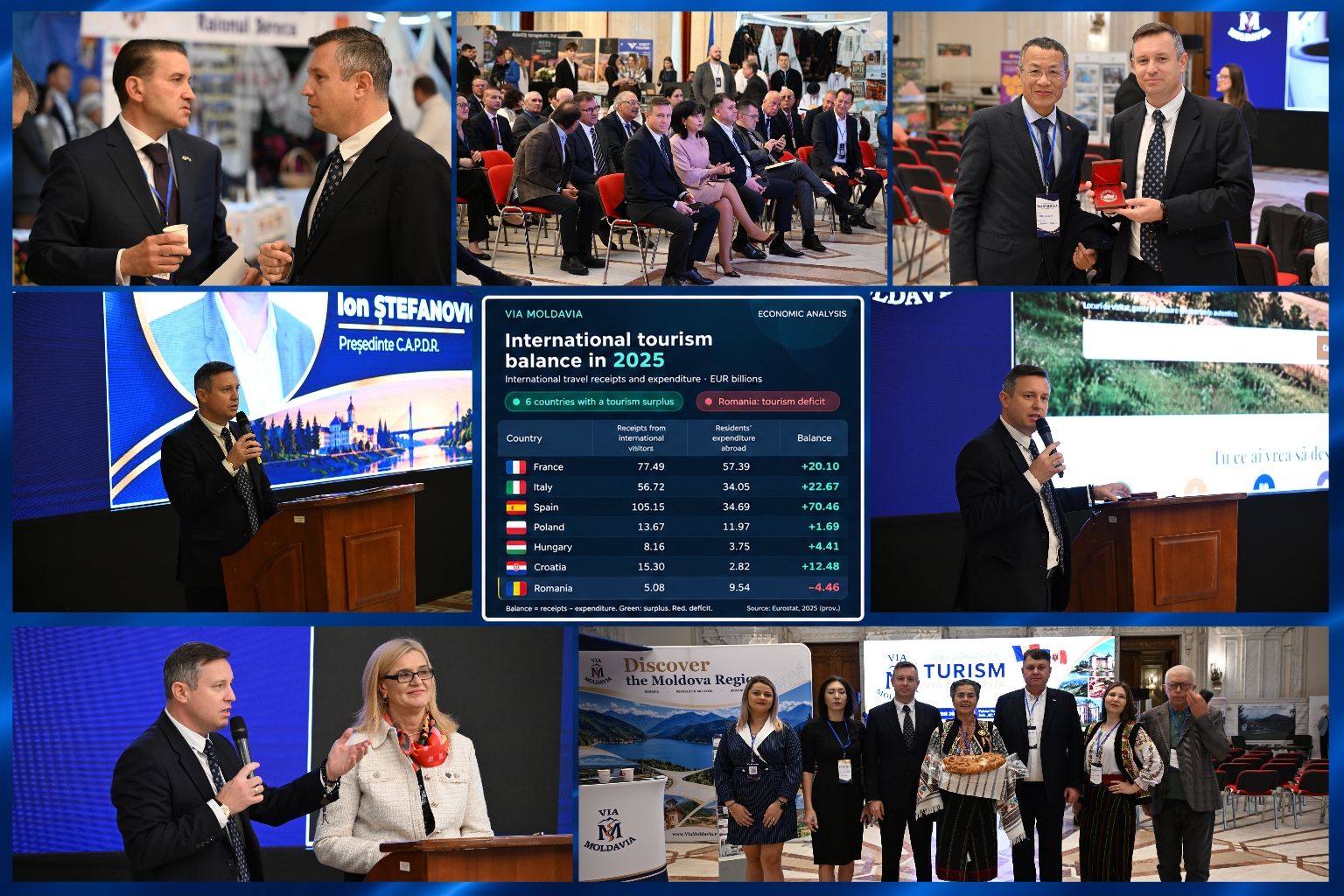
Thursday, September 11, 2025 – The launch conference of the project „Transfer of Good Practices and Strengthening Administrative Capacity in Regional Development Policy between Romania and the Republic of Moldova” took place at the Palace of the Republic, funded by the Interreg NEXT Romania – Republic of Moldova Program.
The event, carried out in partnership between the Center for Analysis and Planning of Regional Development (CAPDR) and the Regional Development Agency of the Municipality of Chișinău (ADR Chișinău), brought together representatives of public administration, regional development experts, and international partners.
The conference was opened by Bogdan Tănasă, CAPDR Project Manager and event moderator, who presented the main directions of work and objectives of cross-border cooperation.
Speaker:
Bogdan Tanasă – CAPDR Project Manager, Conference Moderator; Romania
Opening Message by Bogdan Tănasă
As CAPDR Project Manager and conference moderator, Bogdan Tanasă opened the event with a message addressed to the participants and partners:
“Your Excellencies, esteemed guests, dear partners, good afternoon and welcome to the Palace of the Republic in Chișinău. My name is Bogdan Tănasă, and as project coordinator and on behalf of the Center for Analysis and Planning of Regional Development, I have the honor to thank you for attending the launch event.”
He emphasized that this initiative represents a crucial step in strengthening collaboration between the institutions responsible for regional development policy on both sides of the Prut River.

Project Objectives
Bogdan Tănasă presented the main directions of the project, which aim to provide a solid foundation for modernizing and streamlining public administration in the field of regional development:
-
Strengthening administrative capacity through organizational analyses, action plans, and operational manuals.
-
Developing professional competencies through training sessions, experience exchanges, and thematic meetings.
-
Creating a common cooperation framework between administrations, the business environment, and civil society.
A strategic focus of the project is the development of a digital cooperation platform, developed in partnership with ADR Chișinău:
“This will be the tool through which the project’s results will multiply and transform into concrete partnerships and sustainable projects.”

Event Organization
Throughout the day, the program included 22 interventions, each aimed at presenting priorities and opportunities for collaboration.
Bogdan Tănasă emphasized the importance of adhering to the allotted time for each speaker, given the international character and diversity of participants:
“The event will conclude at 12:15 PM and will be broadcast live; therefore, respecting the speaking time is essential so that all guests have the opportunity to take the floor.”
He also encouraged presentations focused on identifying “mirror” partners, highlighting the open and collaborative nature of the project:
“We encourage speakers to present their activity and priorities in the logic of identifying partners, because that is why we are here: representatives from Romania, the Republic of Moldova, and Ukraine. We want this launch not just to be a ceremonial moment but the beginning of an active and sustainable collaboration process.”

Continuation of the Works
After Bogdan Tanasă’s introductory speech, the microphone was taken by Ion Ștefanovici, President of CAPDR Iași, the institution that assumed the role of partnership leader within this cross-border project.
Conclusions
The launch of the “Transfer of Good Practices” project in Chișinău represents a concrete step towards aligning and modernizing regional development policies through experience sharing, strengthening human and institutional resources, and creating digital collaboration mechanisms.
Through its cross-border nature and direct involvement of institutions from Romania, the Republic of Moldova, and Ukraine, the project emerges as a model of sustainable regional cooperation, with long-term benefits for communities and administrations.