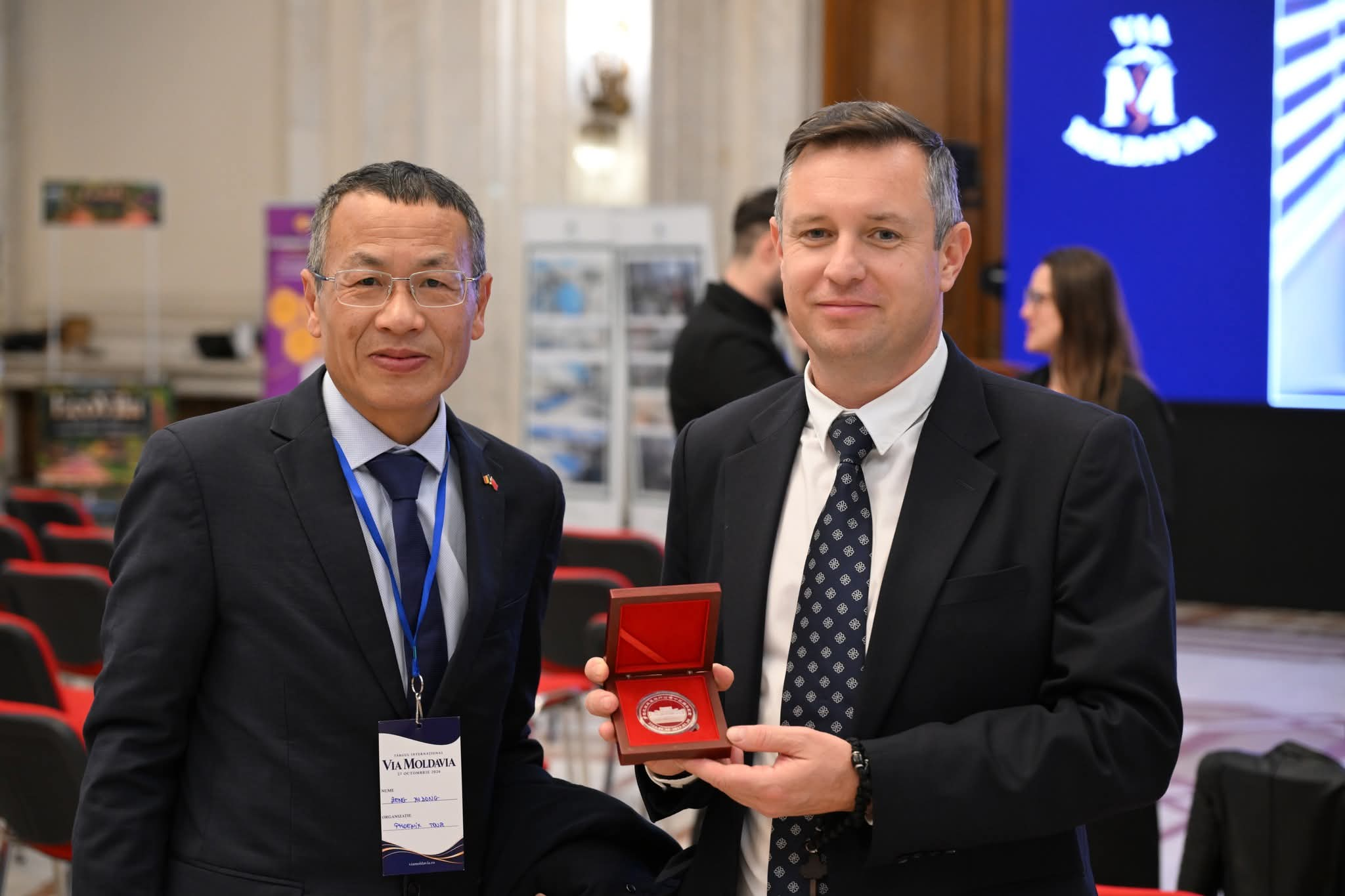
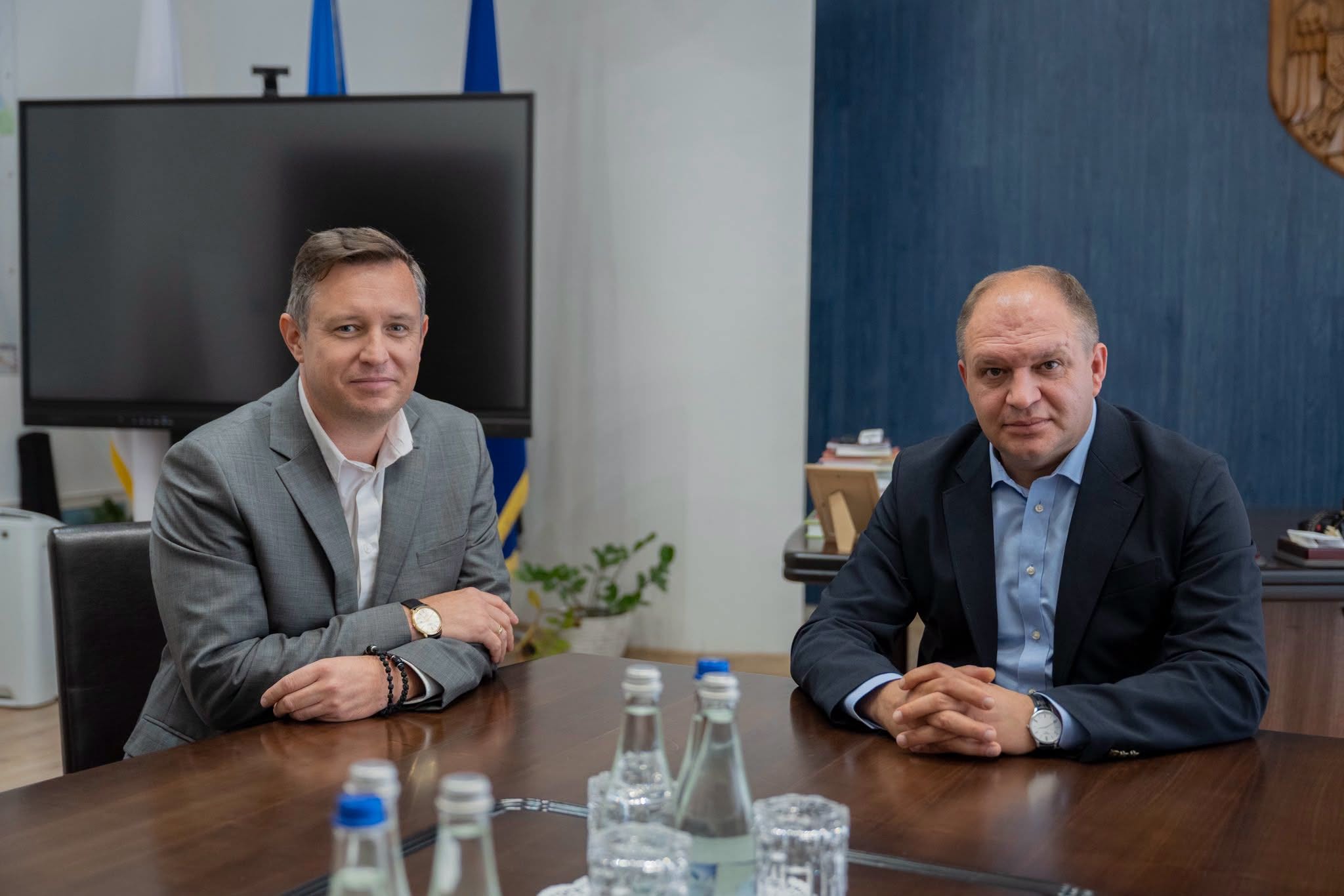
Dr. Tiberius BRĂDĂȚAN, former Secretary of State in the Ministry of Health, in the context of FERM 2025: “Healthcare cannot develop without a genuine partnership between investment and education”

Mesaje publice
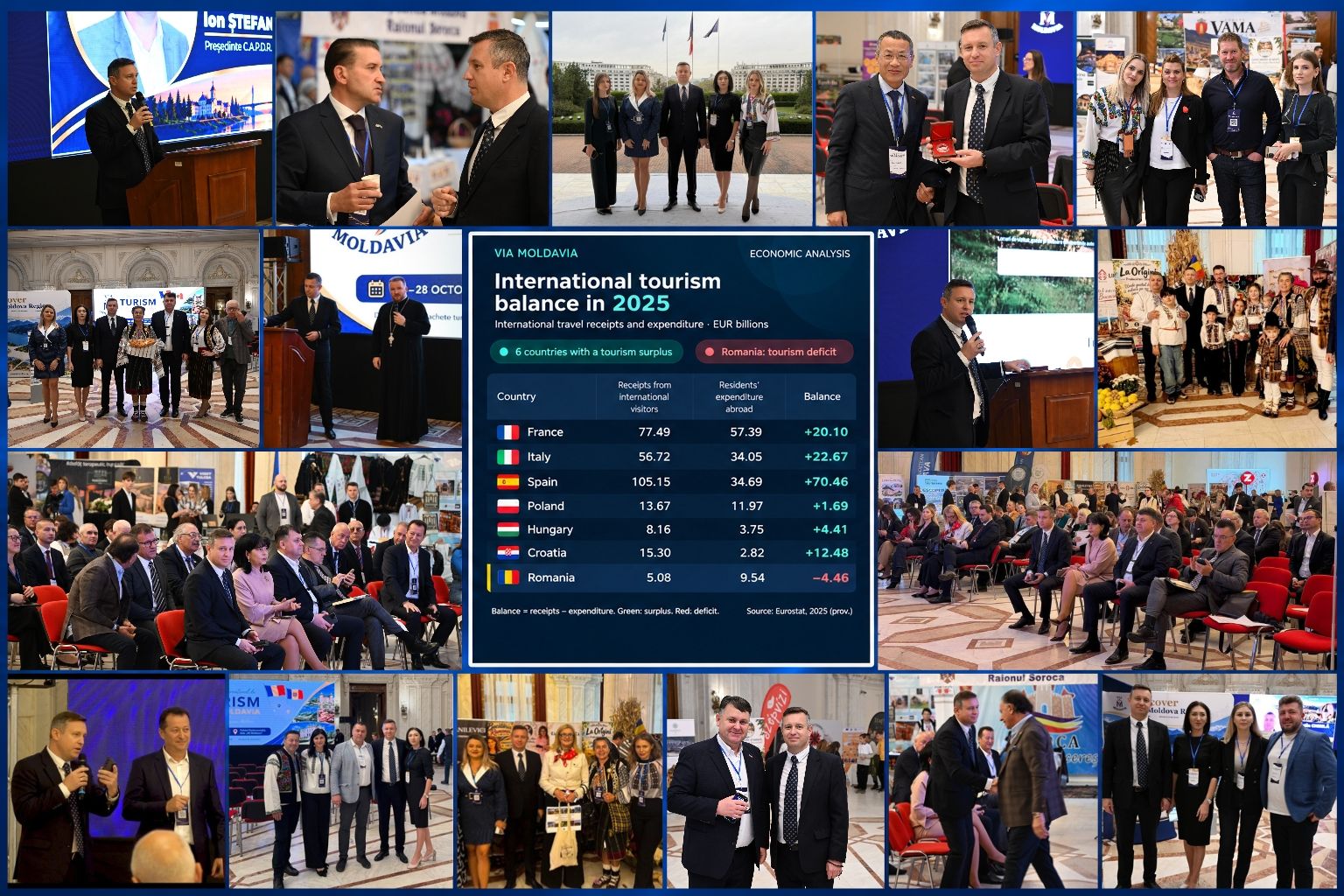
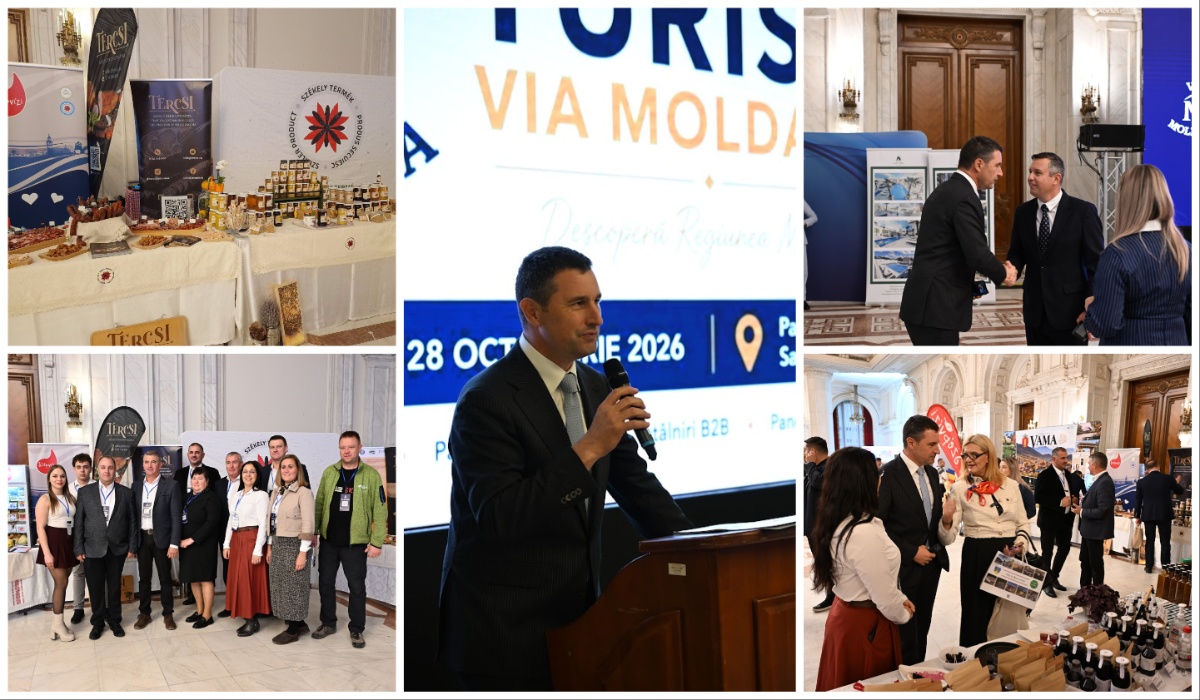
The Moldova Regional Economic Forum brought together this year leaders from public administration, international experts, investors, and representatives from the academic and medical fields for a joint dialogue on the future of the region.
Among the participants was Dr. Tiberius Brădățan, representative of Suceava County Hospital and former Secretary of State in the Ministry of Health, who highlighted the need for an integrated vision in healthcare, based on strong partnerships and investments in medical infrastructure.
Healthcare as an Integral Part of Regional Development
“It is very important that people from all fields come together, and there are multiple panels discussing the integrated development of the region.”
The emphasis on interdisciplinarity and cooperation was reflected in most panels, and the healthcare sector, in which he is active, cannot remain isolated from other areas of regional development.
Dr. Brădățan emphasized the necessity of effective collaboration between the medical, academic, and investment sectors.
“In healthcare, where I am involved and know the problems, it is absolutely necessary to have good collaboration with the investment and academic sectors, so that we can grow Suceava, our region, our area.”
A key element in his vision is the development of the Faculty of Medicine in Suceava, an educational project with major long-term impact, which will ensure not only the training of local medical personnel but also the consolidation of a university ecosystem integrated with the region’s healthcare system.
A Strategic Framework Until 2030: The Forum’s Programmatic Document
One of the most valuable outcomes of FERM 2025, in his opinion, is the programmatic document that will outline development guidelines until 2030. This will not be just a vision on paper but a plan of action for authorities, investors, and local communities. Dr. Brădățan highlighted the essential role of cross-border partnerships.
“A very important aspect is the partnership with the two countries, the Republic of Moldova and Ukraine, which must lead to broader regional development.”
This regional cooperation is viewed in light of the future EU accession of the two countries, a horizon that will open access to pre-accession funds and will boost investments in infrastructure, healthcare, and education across the entire north-eastern region of Romania.

Infrastructure – The Key to Attracting Investments
Beyond strategic plans, the concrete reality of infrastructure determines a region’s capacity to attract investments. Dr. Brădățan conveyed a clear message.
“Business comes where there is infrastructure to build on.”
He drew attention to the urgent need to develop road, logistics, and energy infrastructure, without which no sustainable investment project can be implemented.
“Investors want to see that they can reach the location quickly, that there is investment potential, and then they need to be able to bring in equipment and materials. Infrastructure makes the difference.”
Local Community Involvement More Important Than Central Support
Dr. Brădățan delivered a message that was both realistic and motivating.
“I don’t have high hopes that the central administration in Bucharest will be very enthusiastic about developing this north-east regional hub.”
Nevertheless, he expressed confidence in the capacity of local authorities and people in the region to drive change and build a functional, attractive, and competitive region.
“The people here, at the local level, can make the difference.”

Conclusion
Dr. Tiberius Brădățan’s participation in the Moldova Regional Economic Forum 2025 highlighted a balanced and pragmatic discourse on the real needs of the region: integrating healthcare into the development strategy, smart investments in infrastructure, cross-border collaboration, and the enormous potential of local initiatives.
In a complex geopolitical and economic context, the north-eastern region of Romania has the opportunity to become a development hub, provided that all stakeholders collaborate effectively and act coherently.