27 October 2026 | VIA MOLDAVIA at the Palace of Parliament in Bucharest: CAPDR Connects Destinations in Romania and the Republic of Moldova at the VIA MOLDAVIA International Tourism Fair
Mesaje publice
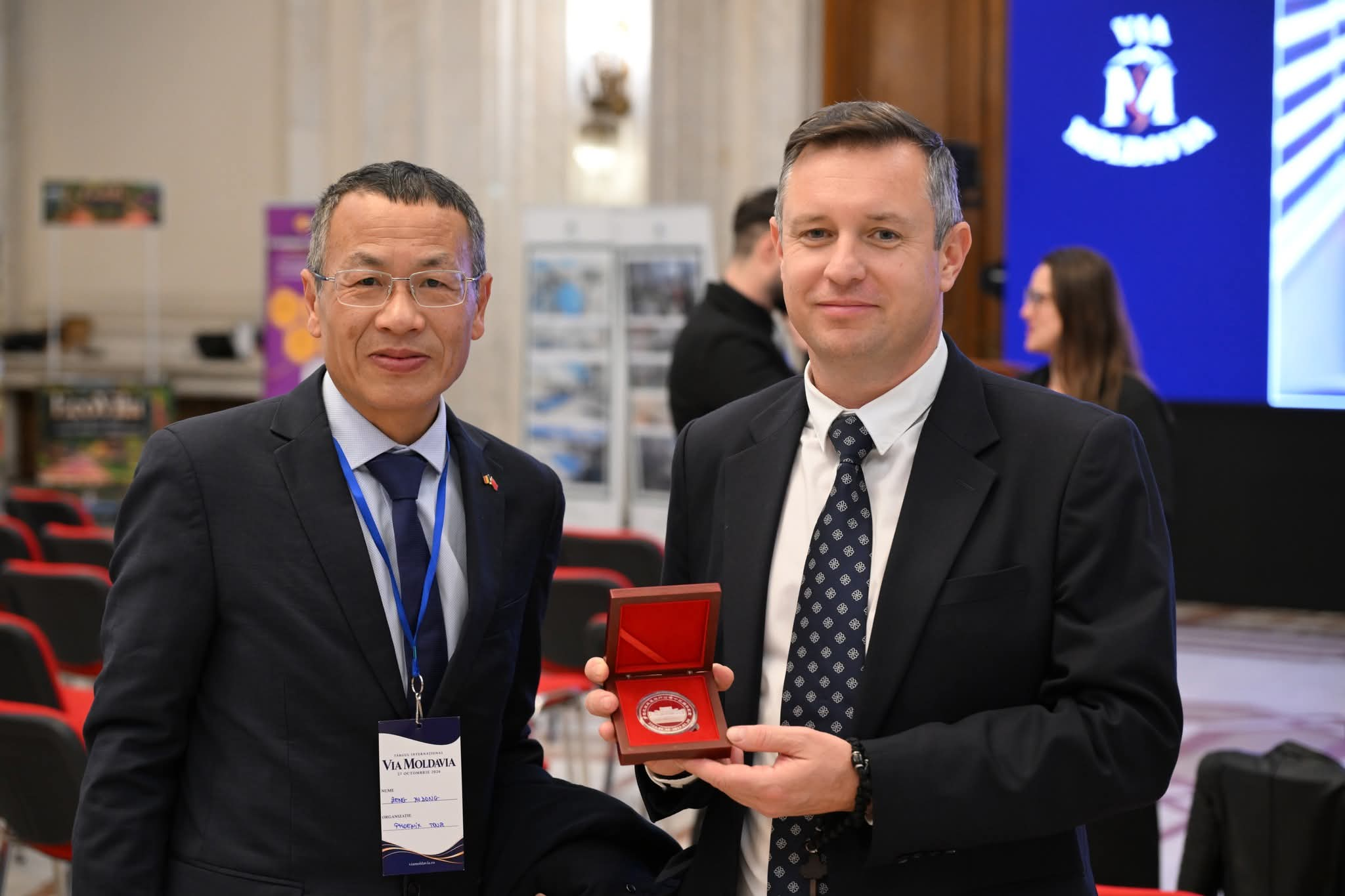
The VIA MOLDAVIA International Tourism Fair, organised by CAPDR in partnership with the European Affairs Committee of the Chamber of Deputies, brings public institutions and private-sector representatives to the Palace of Parliament to develop joint tourism offers and connect destinations with national and international markets
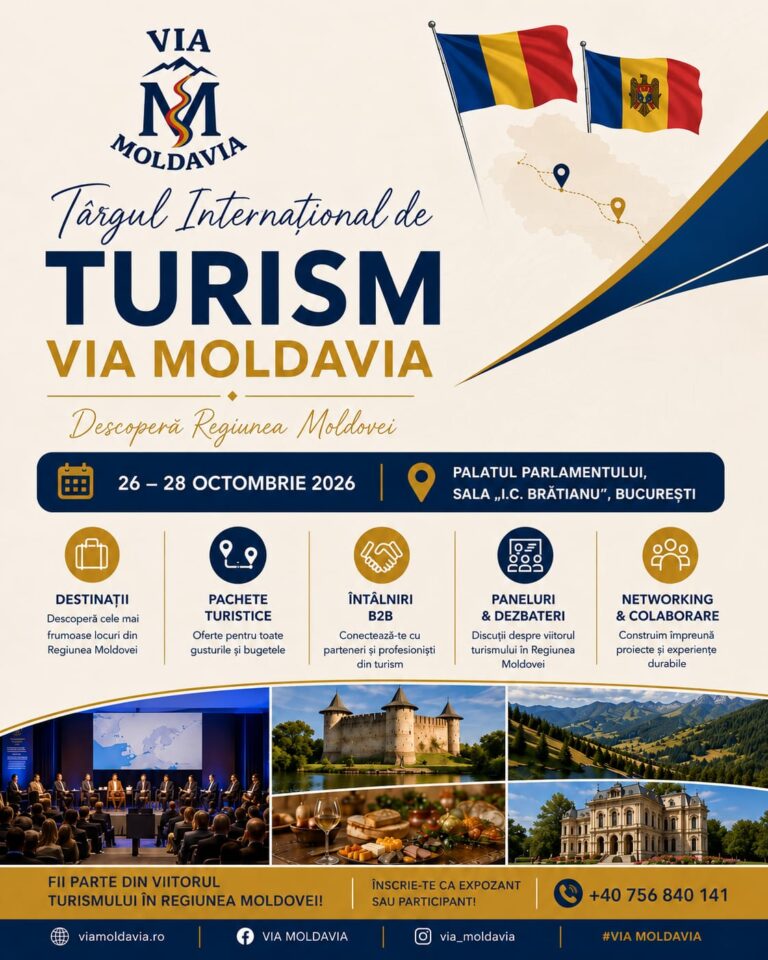
As of 1 October, the Centre for Regional Development Analysis and Planning (CAPDR) entered the final stage of preparations for the VIA MOLDAVIA International Tourism Fair. The event will take place from 26–28 October 2026 at the Palace of Parliament in Bucharest, in the “I. I. C. Brătianu” Hall, with the official opening, panel discussions and partner meetings scheduled for 27 October.
Organised by the Centre for Regional Development Analysis and Planning (CAPDR), in partnership with the European Affairs Committee of the Chamber of Deputies, as part of the 20th edition of the Moldova Regional Economic Forum, 2026, the event aims to develop joint tourism offers and connect destinations with national and international markets.
Preparations focus on bringing delegations together, organising the representation of micro-destinations and facilitating discussions among public administrations, travel agencies, local operators and transport partners. The objective is to turn this meeting into a framework for economic cooperation that continues through the VIA MOLDAVIA programme and platform.

Tourism as a Driver of Economic Development
The importance of tourism for Romania and the Republic of Moldova should be considered in the context of its links with other sectors of the economy. Revenue generated by visitors supports accommodation providers and restaurants, while also benefiting agricultural producers, transport operators, retailers, service providers and cultural organisations.

At the macroeconomic level, the development of this sector contributes to employment, investment and revenue from services provided to international visitors. At the local level, it can expand market opportunities for entrepreneurs and help communities capitalise on their heritage, natural resources and skills.
For the two countries, tourism cooperation offers an opportunity to develop complementary tourism products. An itinerary connecting several destinations can enhance the appeal of a trip, extend visitors’ stays and increase the number of communities benefiting from tourist spending. Results depend on service quality, accessibility and the partners’ capacity to bring their offers to market.

Ion ȘTEFANOVICI on the Strategic Importance of the VIA MOLDAVIA Programme
Ion Ștefanovici, President of CAPDR, explains the strategic direction of the initiative:
“Romania and the Republic of Moldova share an economic interest in making the most of their heritage, natural resources and the entrepreneurial capacity of their communities. Tourism can turn these resources into revenue and investment when there is coherent coordination between destinations, services, transport and markets.
Through VIA MOLDAVIA, we aim to give this cooperation a clear structure. Institutions support territorial coordination, entrepreneurs develop the offer, travel agencies bring it to tourists, and transport operators ensure accessibility. In Bucharest, we are bringing these responsibilities together to establish partnerships that can operate over the long term.
The goal is to ensure that the value generated by tourism reaches local communities and that cooperation between the two countries gains economic substance through joint offers, interconnected services and a presence in international markets.”
Routes and Micro-Destinations Provide a Framework for Cooperation
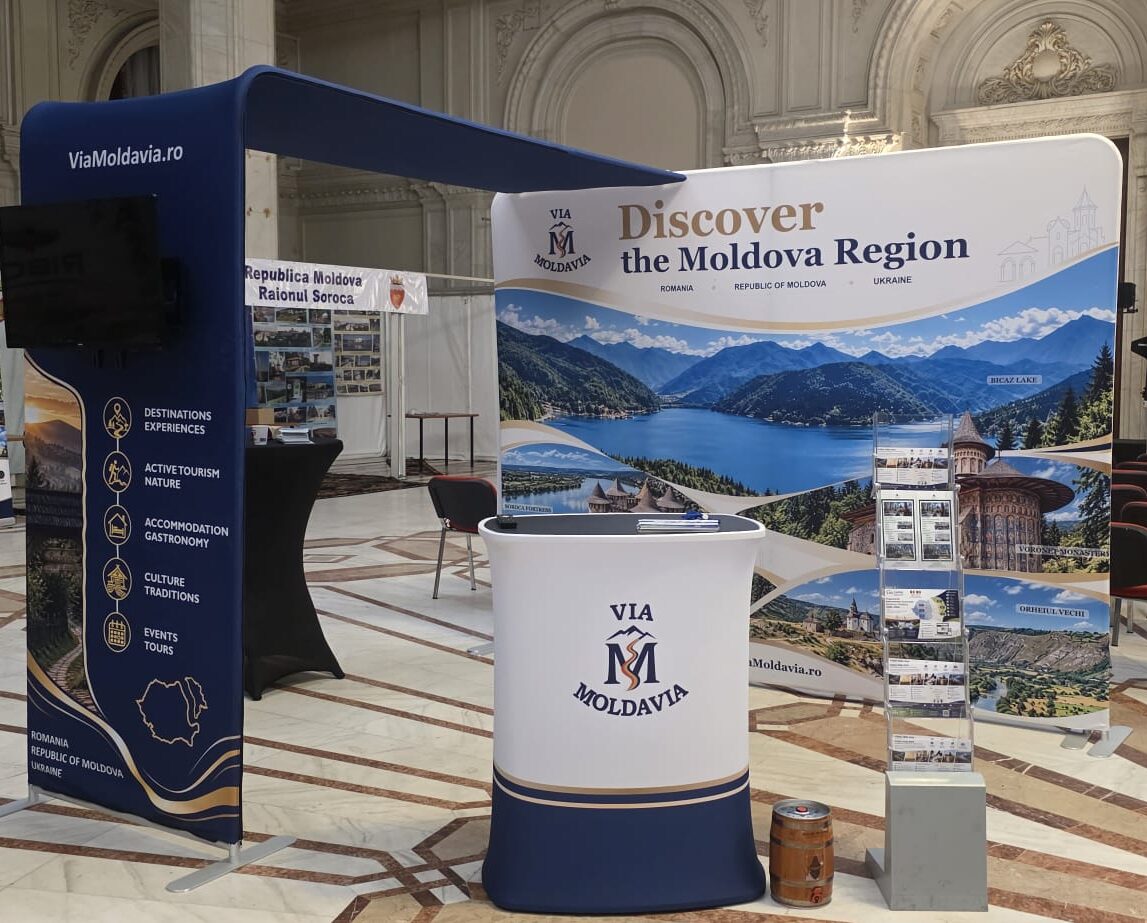
The VIA MOLDAVIA programme is being developed along three geographical axes — North, Centre and South — connecting destinations in the Republic of Moldova with regions of Romania, while also opening up opportunities for cooperation with partners in Ukraine.
Within this framework, micro-destinations bring together localities, attractions and services that can support a coherent tourism experience. Accommodation, gastronomy, heritage, outdoor activities and local events are coordinated to facilitate the development of offers tailored to different categories of visitors.
Interconnecting micro-destinations makes it possible to create broader itineraries and distribute tourist flows across multiple communities. The VIA MOLDAVIA platform is designed to support the presentation and connection of these offers, increasing the visibility of destinations and providing a working tool for the partners involved.
Public Institutions and the Private Sector Have Complementary Responsibilities
Public institutions, from national to local level, can support the programme through coordination, promotion, the mobilisation of representatives from local areas and the facilitation of cooperation between communities.
Travel agencies play a role in turning available services into packages that can be marketed. Accommodation providers, local food establishments, producers and experience providers contribute the actual tourism offer and the distinctive identity of each destination.
Mobility is a key condition for this development. The envisaged cooperation with airports and road, air, rail, river and maritime transport operators aims to connect arrival points with destinations and organise transfers between them.
Promotion to agencies and partners across Europe and Asia is a development priority for the programme, supported by the need for clear, accessible offers adapted to the target markets.

The Parliamentary Partnership Provides the Framework for the Event
In a letter dated 20 May 2026, the European Affairs Committee informed CAPDR that the Permanent Bureau of the Chamber of Deputies had approved the organisation of the event at its meeting on 11 May 2026.
The document confirms that the event is organised by CAPDR in partnership with the European Affairs Committee, that the “I. I. C. Brătianu” Hall has been made available and that organisational coordination is supported.
CAPDR thanks the Committee and its Chair, Diana Stoica, for the partnership that makes it possible to hold this meeting between representatives of public institutions and the tourism economy.

Bucharest as a Meeting Point for Tourism Offers and Markets
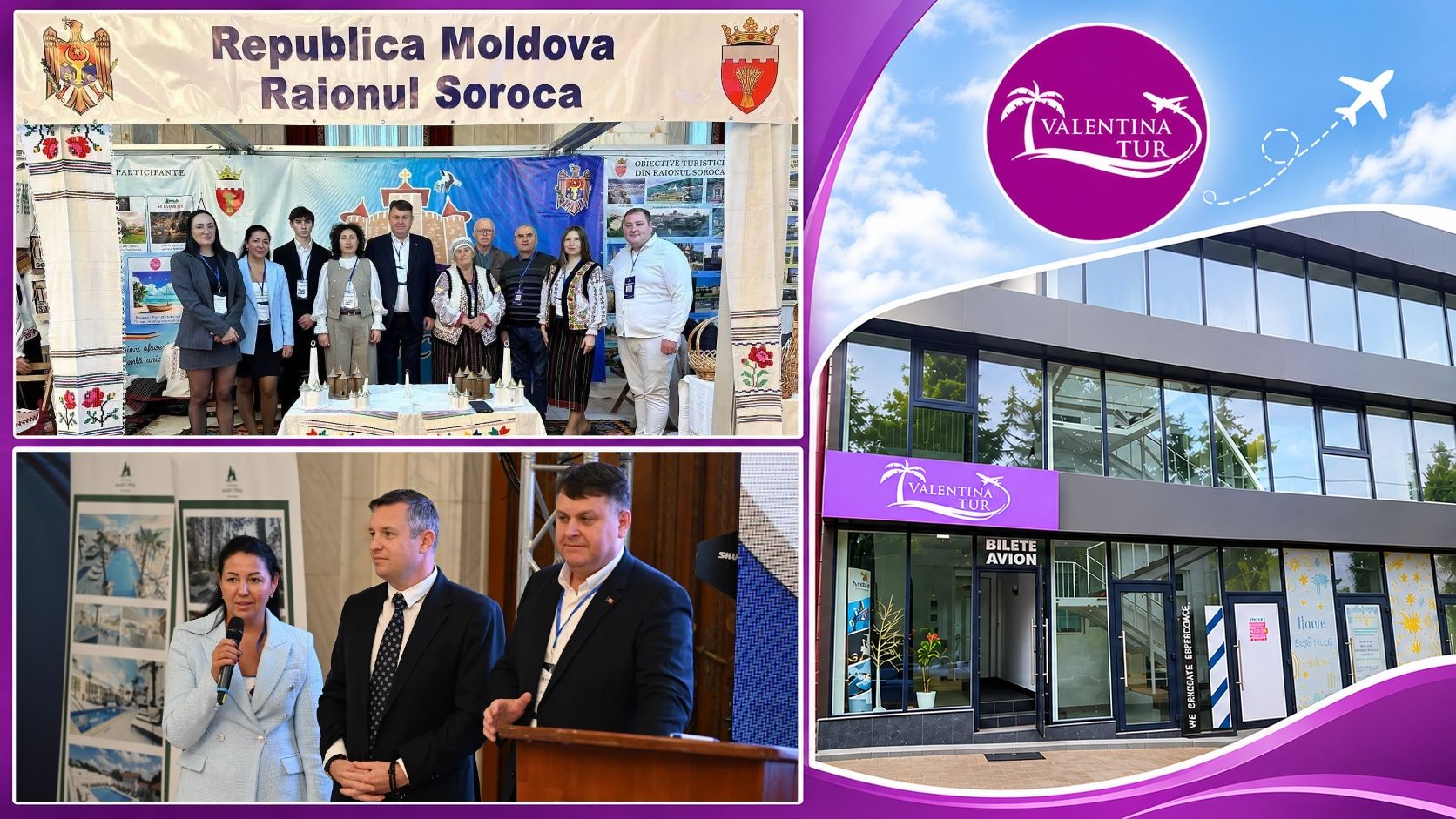
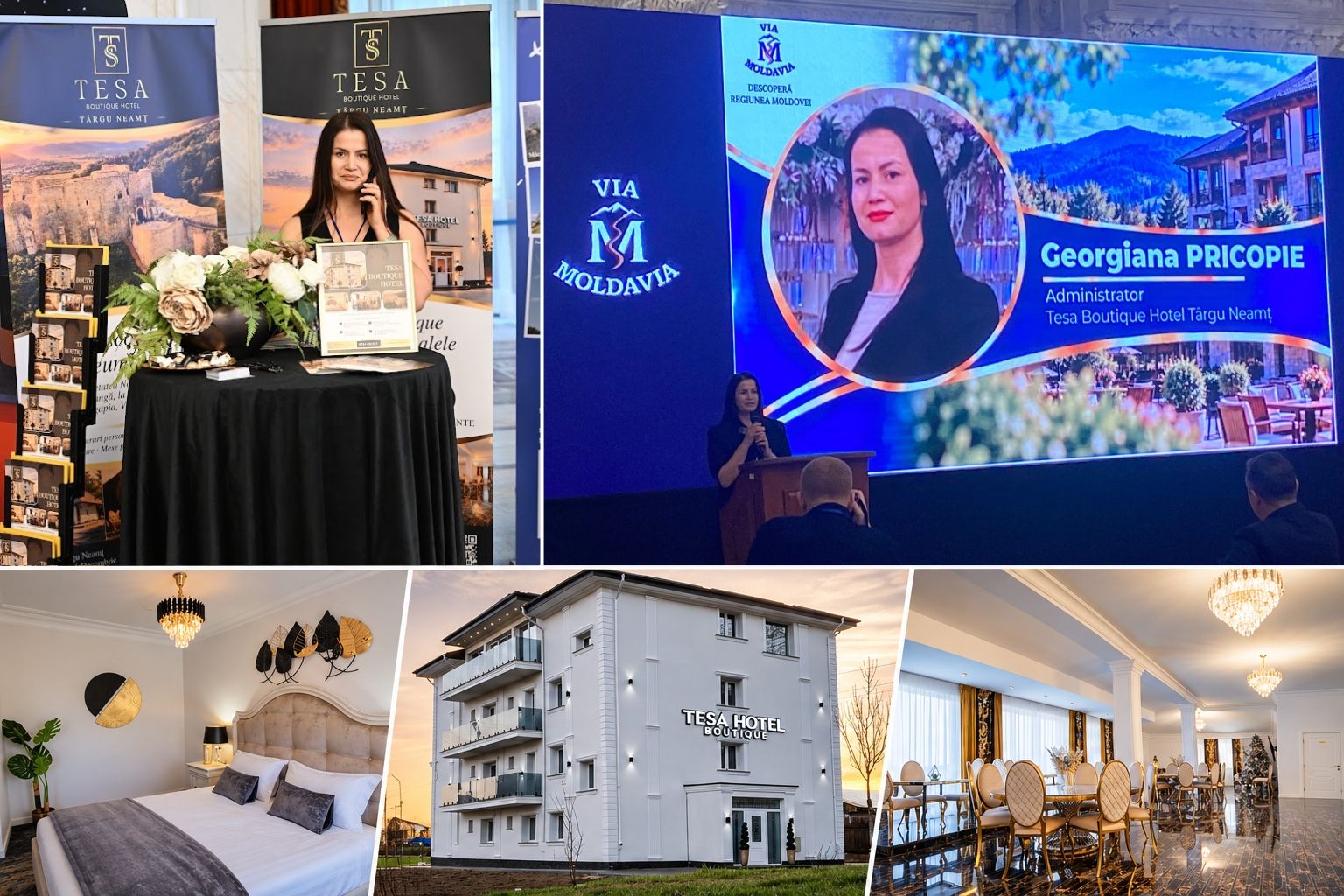
Holding the fair in the capital aims to bring destinations closer to national institutions, travel agencies, commercial partners and international stakeholders. For participating communities, the event provides an opportunity to present their services directly and discuss the conditions for integrating them into tourism packages.
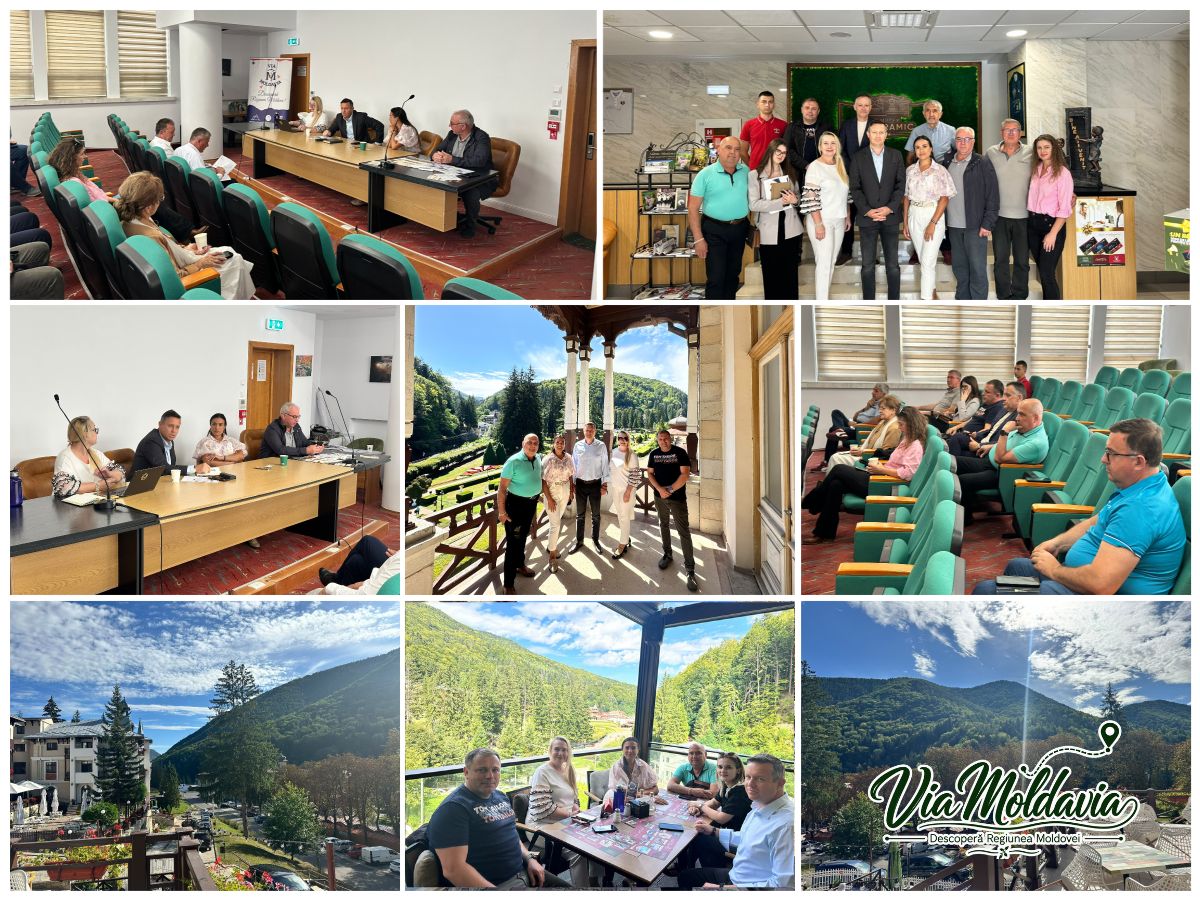
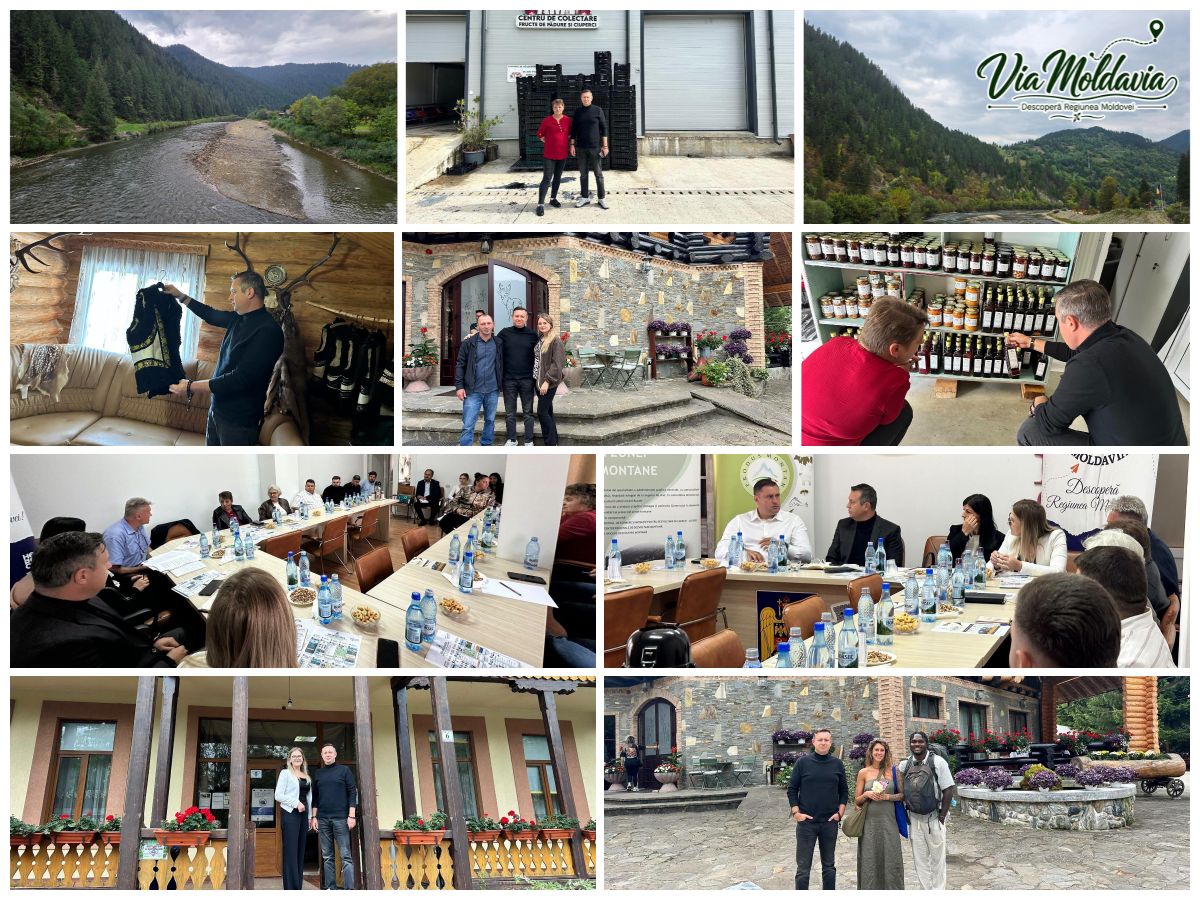
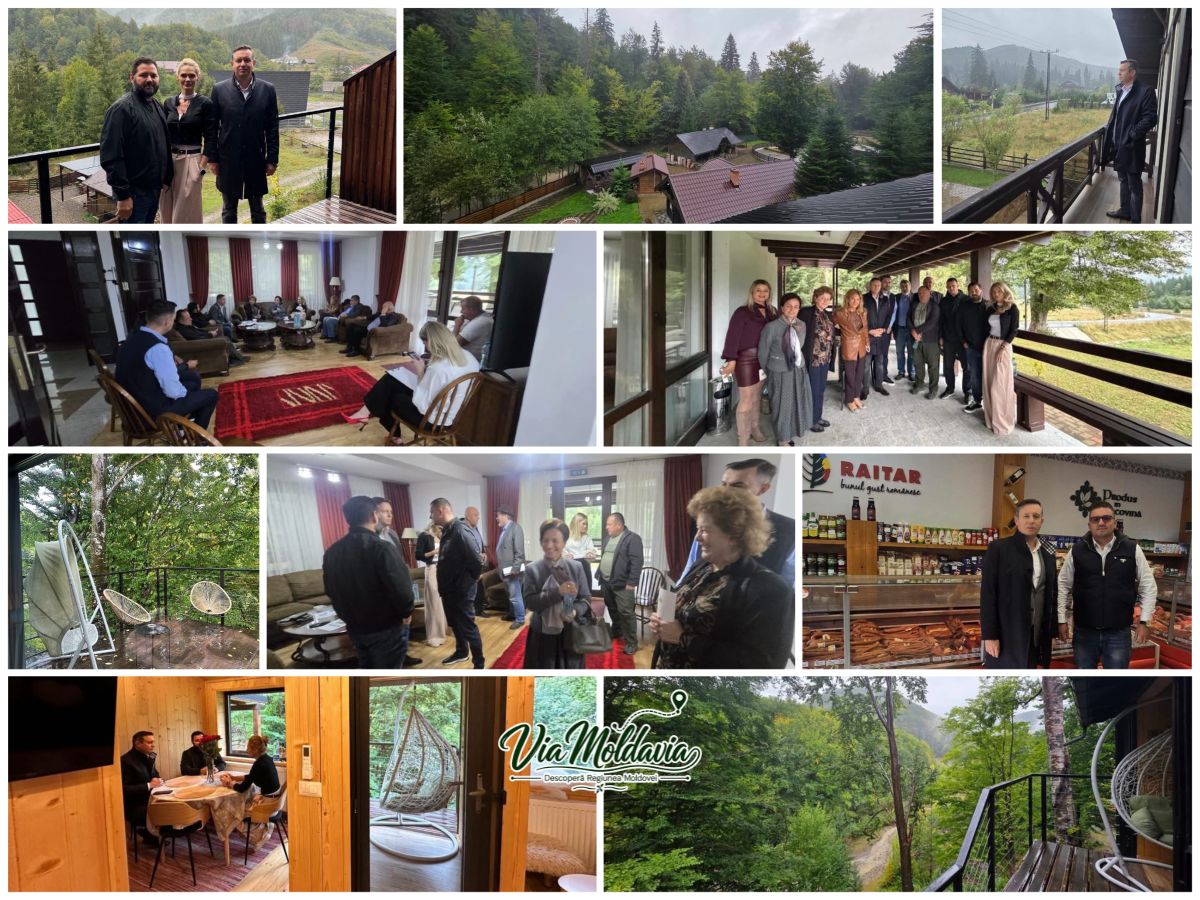
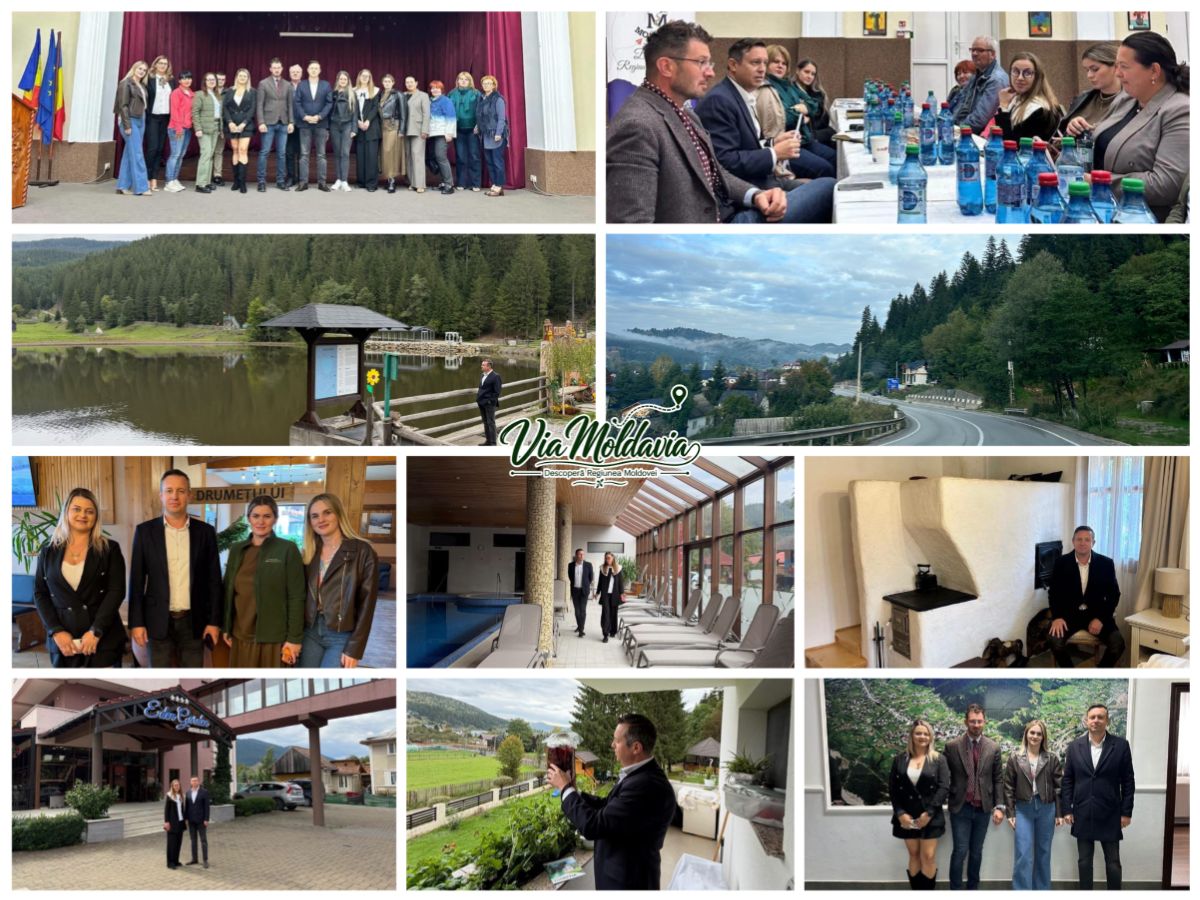
CAPDR Organised the VIA MOLDAVIA Working Meeting Dedicated to the Bistrița Valley Micro-Destination
VIA MOLDAVIA Routes in Romania and the Republic of Moldova
The VIA MOLDAVIA programme organises tourism cooperation along three geographical axes — North, Centre and South. These provide the framework for connecting micro-destinations, developing itineraries and coordinating accommodation, gastronomy, experiences and transport services. Each tourism package is tailored to the partners’ offers and market demand.
Northern Route
- Romania: Bihor, Satu Mare, Sălaj, Maramureș, Cluj, Bistrița-Năsăud, Mureș, Harghita, Suceava, Neamț, Bacău, Vaslui, Iași and Botoșani.
- Republic of Moldova: Briceni, Ocnița, Edineț, Dondușeni, Râșcani, Drochia, Soroca, Glodeni, Bălți, Florești, Fălești and Sângerei.
Central Route
- Romania: Caraș-Severin, Timiș, Arad, Gorj, Hunedoara, Alba, Sibiu, Vâlcea, Argeș, Brașov, Dâmbovița, Prahova, Covasna, Buzău, Vrancea, Galați and Brăila.
- Republic of Moldova: Ungheni, Telenești, Șoldănești, Rezina, Nisporeni, Călărași, Orhei, Hâncești, Ialoveni, Chișinău, Durlești, Sângera, Codru, Criuleni, Vadul lui Vodă, Cricova, Dubăsari and Anenii Noi.
Southern Route
- Romania: Mehedinți, Dolj, Olt, Teleorman, Giurgiu, Ilfov, Călărași, Ialomița, Constanța and Tulcea.
- Republic of Moldova: Leova, Cimișlia, Căușeni, Ștefan Vodă, Basarabeasca, Cantemir, Cahul, Taraclia, Vulcănești and Comrat.
This territorial coverage makes it possible to bring together destinations with complementary profiles and integrate them into joint offers. Travel agencies play a role in turning cooperation between operators into marketable products, while transport partners contribute to the accessibility of itineraries and transfers between airports, railway stations and micro-destinations.
General Event Schedule
Palace of Parliament, Bucharest, “I. I. C. Brătianu” Hall — 26–28 October 2026
26 October — Set-Up and Preparations
Installation of stands and presentation tables, equipment setup, preparation of exhibition materials and organisational coordination.
27 October — The Fair and Official Proceedings
08:30–10:00 Reception and registration of delegations and participants
10:00–10:30 Visit to the stands and preparations for the official opening
10:30–12:30 Official opening — addresses by the organisers and guests from Romania and the Republic of Moldova
12:30–14:00 Lunch break, visits to the stands and tastings
14:00–15:30 Panel 1 — Romania: presentations and discussions with representatives of public institutions and the private sector
15:30–17:00 Panel 2 — Republic of Moldova: presentations and discussions with representatives of public institutions and the private sector
17:00–18:00 Discussions at the stands, B2B meetings and partnership development

28 October — Dismantling and Vacating the Venue
Dismantling the stands, removing equipment and exhibition materials, and vacating the venue.
The detailed programme, including speakers and participating representatives, will be finalised based on the composition of the delegations and participation confirmations.
Institutions, organisations and entrepreneurs interested in participating and developing cooperation within the programme can contact the VIA MOLDAVIA team at office@viamoldavia.ro.
CAPDR Organised the VIA MOLDAVIA Working Meeting Dedicated to the Dornelor Basin Micro-Destination