CAPDR organized the VIA MOLDAVIA Working Meeting dedicated to the Dorna Basin micro-destination
Mesaje publice
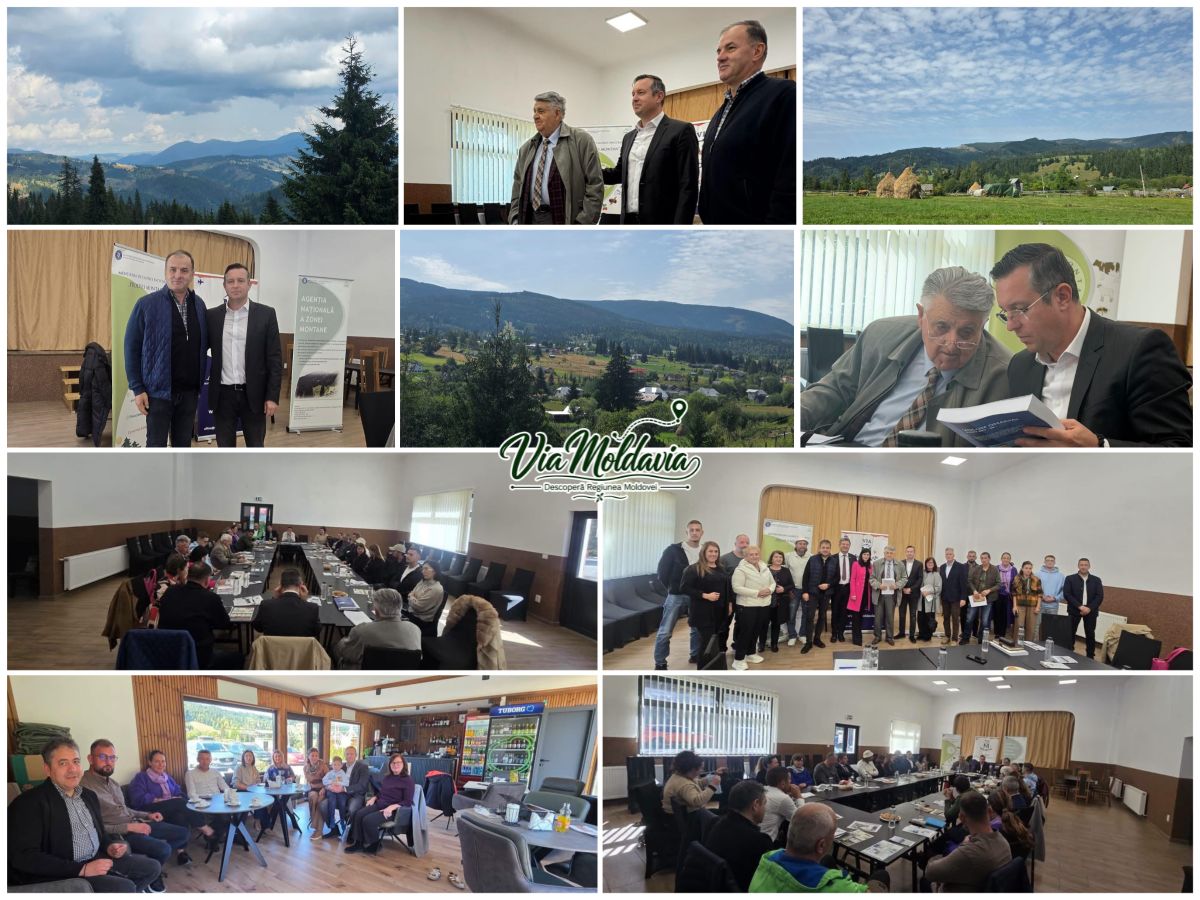
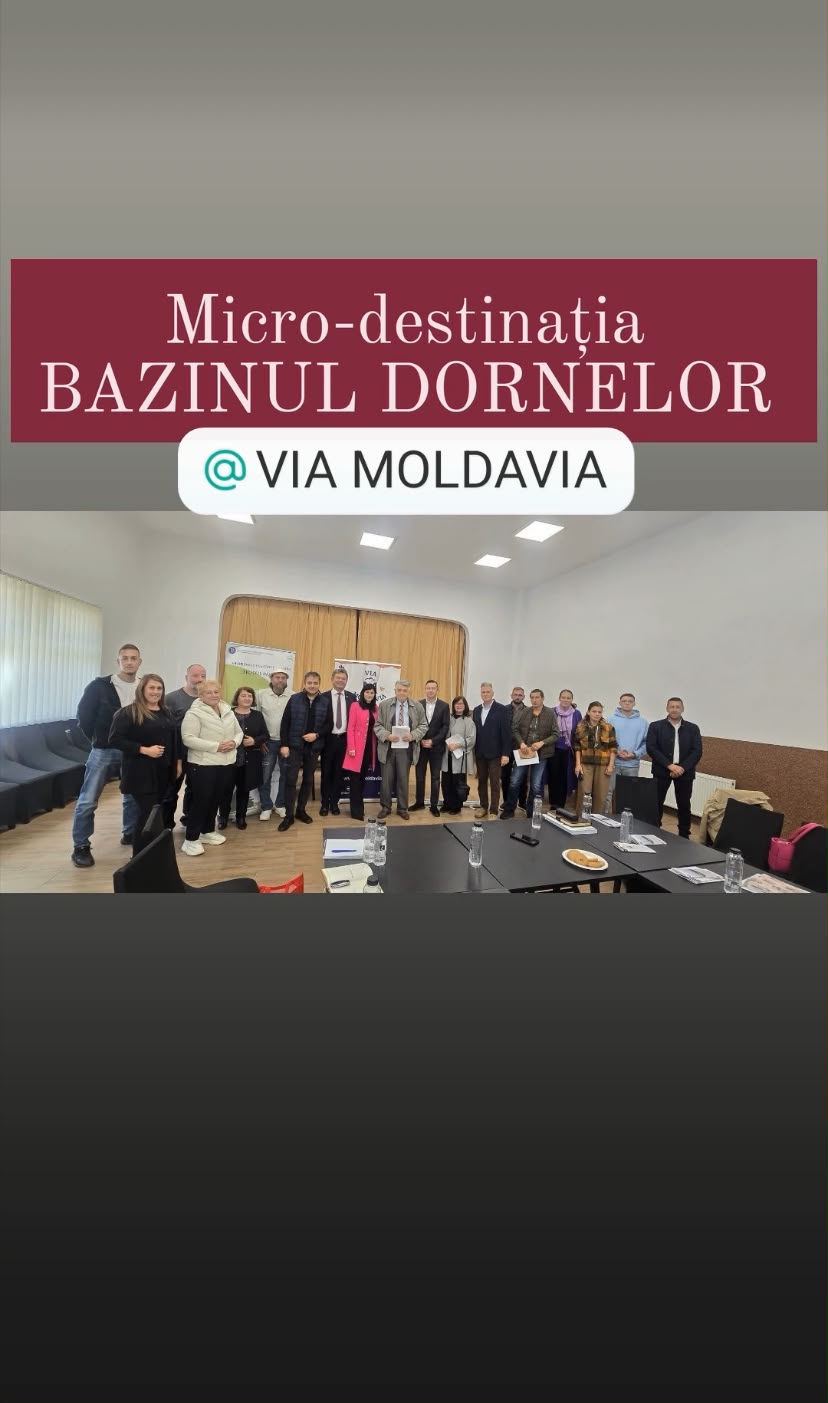
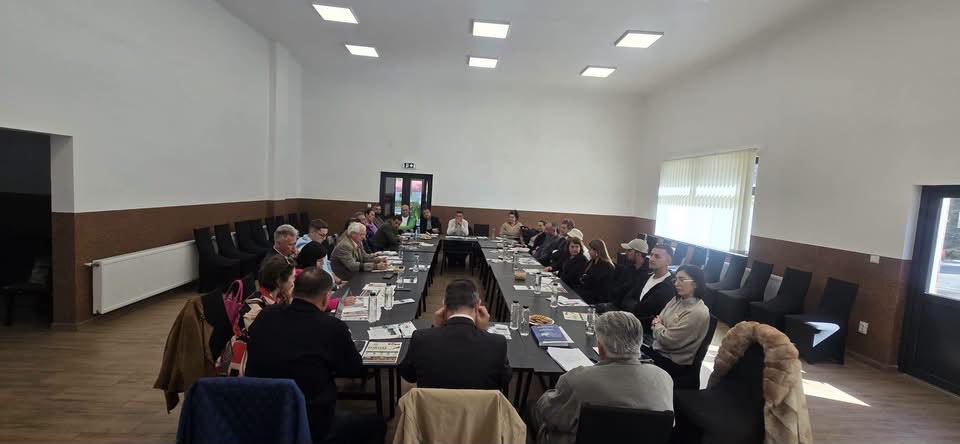
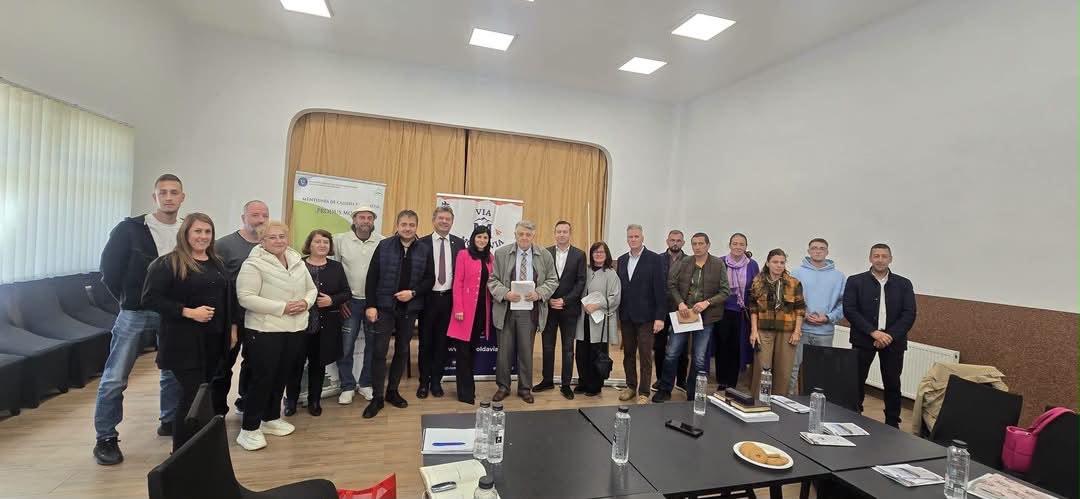
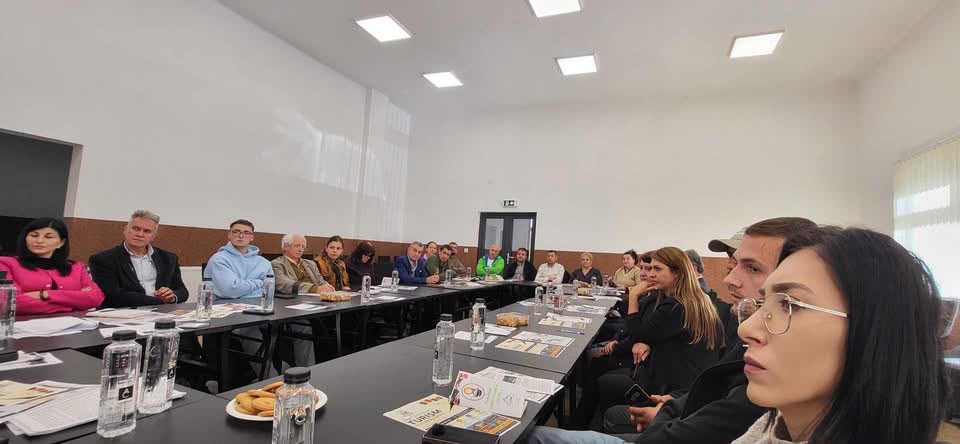
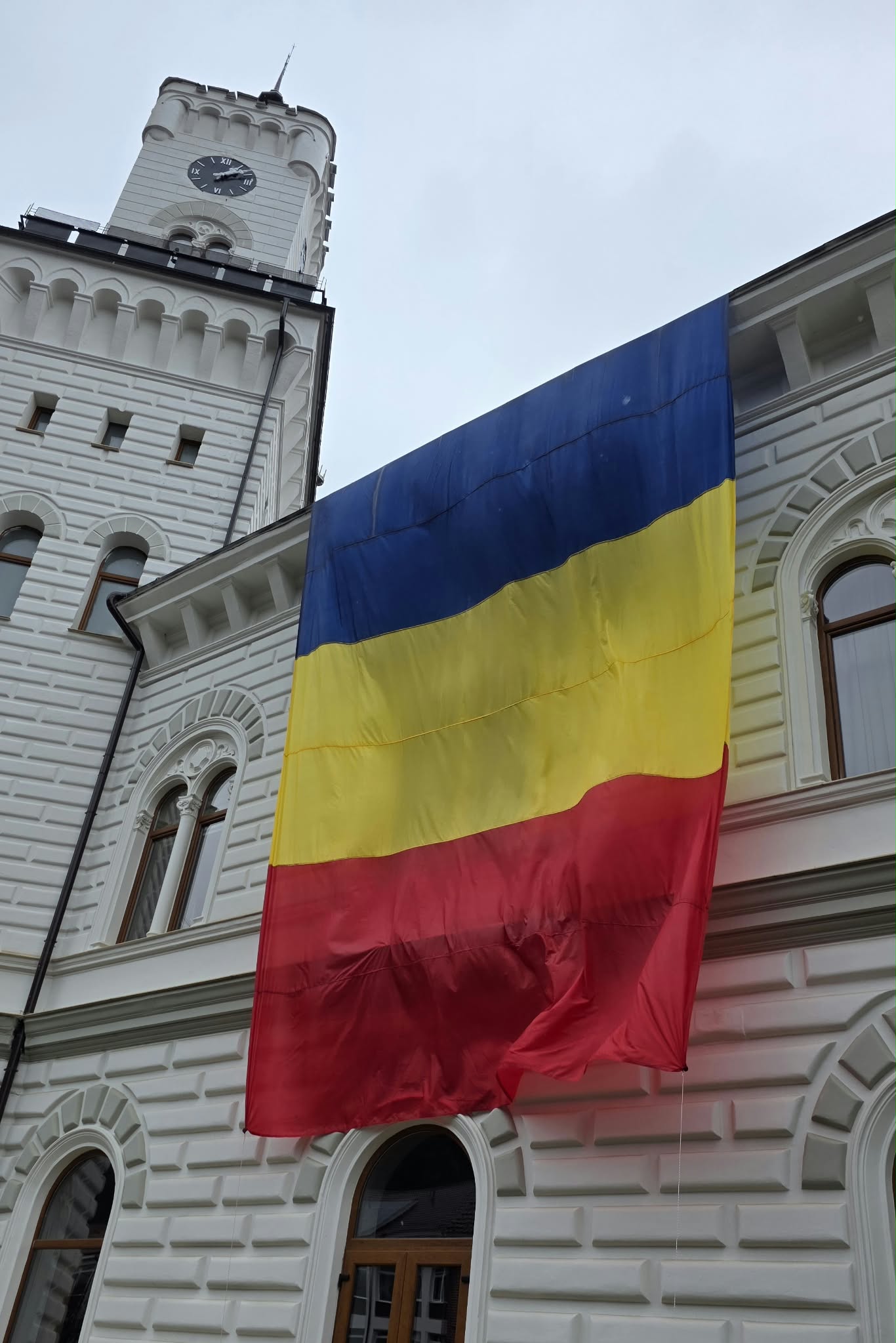
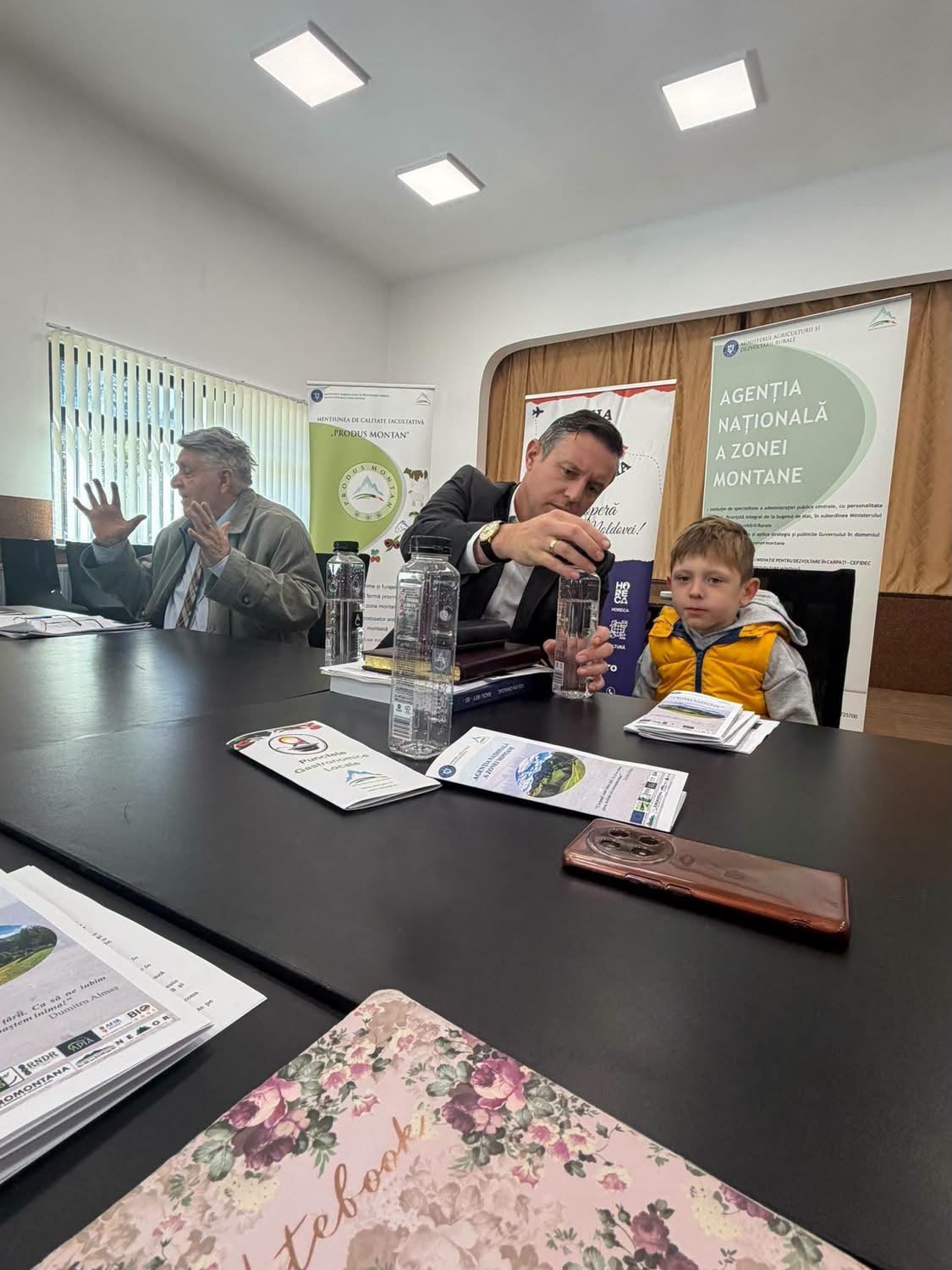
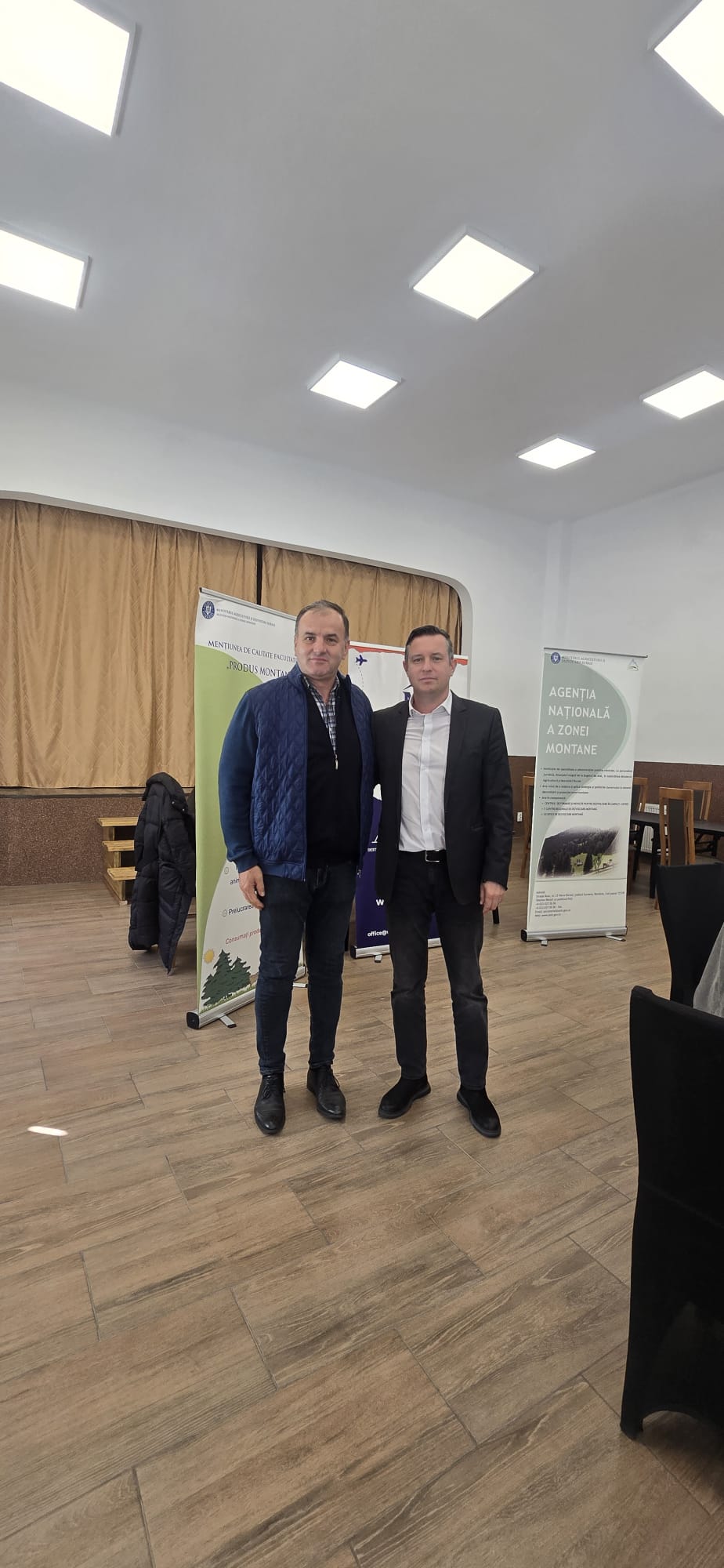
The VIA MOLDAVIA – Northern Route Programme continued the process of building and developing tourism micro-destinations through a new working meeting dedicated to the Dorna Basin, held on 2 October 2026, at the Șaru Dornei Town Hall, Suceava County.
The meeting represented a new stage in the effort to identify, structure and connect the tourism resources of the territory, with the aim of building an offer capable of presenting the Dorna Basin as an integrated tourism experience, rather than merely as a succession of attractions and points of interest.
The indicative territorial area of the micro-destination included Șaru Dornei, Dorna Arini, Panaci, Dorna Candrenilor, Vatra Dornei and Poiana Stampei, a territory capable of bringing together natural resources, mountain experiences, hospitality, gastronomy, services and tourism activities into a coherent offer.
During the meeting, these components were analysed from the perspective of how they can be identified, connected, capitalised on and transformed into routes, experiences and tourism products, as well as how the micro-destination can be integrated into the regional VIA MOLDAVIA network.

EVENT PARTICIPANTS:
- Ion ȘTEFANOVICI – President, C.A.P.D.R.
- Ion SURDU – Director, CEMONT
- Radu REY – Prof. Dr. h.c., Honorary Member of the Romanian Academy
- Cătălina URSU – National Agency for the Mountain Area
- Ovidiu BACIU – National Agency for the Mountain Area
- Adrian CRUCEANU – Administrator, SC. DANY LILY SRL
- Andrei CHIRILĂ – President, ECO Țara Dornelor
- Nadia CANDREA – Director, Dorna Candrenilor Town Hall
- Vasile COZAN – Mayor, Panaci Town Hall
- Cristinel Liviu UNGUREANU – Panaci Town Hall
- Ramona CRISTEA – Administrator, PGL
- Liviu HUȚANU – IT Officer, Călimani National Park Administration
- Adriana PÎCU – Manager, Pensiunea Rozmarin
- Luminița ILIȘESCU – Director, Pensiunea Brădeț
- Marius CIORNEI – LUTASIN SRL
- Cătălin IORDACHE – Mayor, Șaru Dornei Town Hall
- Dragos RUSU – Deputy Mayor, Șaru Dornei Town Hall
- Ciprian GHEORGHIU – Administrator, Casa de Munte
- Patricia Alexandra BUZILĂ – Administrator, Caii de la Poalele Călimanilor
- Floarea BONCHES – Administrator, Pensiunea Iuliana
VIA MOLDAVIA | Dorna Basin – nature, people and heritage of a mountain micro-destination
SaruDornei, DornaArini, Panaci and DornaCandrenilor form the organisational core of the Dorna Basin Micro-Destination, together with private operators from PoianaStampei and VatraDornei, mountain institutions, local producers and entrepreneurs who are giving new momentum to tourism in the Dorna area.
At Șaru Dornei, on 2 October 2026, the VIA MOLDAVIA Programme opened a new working stage for the Dorna Basin Micro-Destination – RN-04.
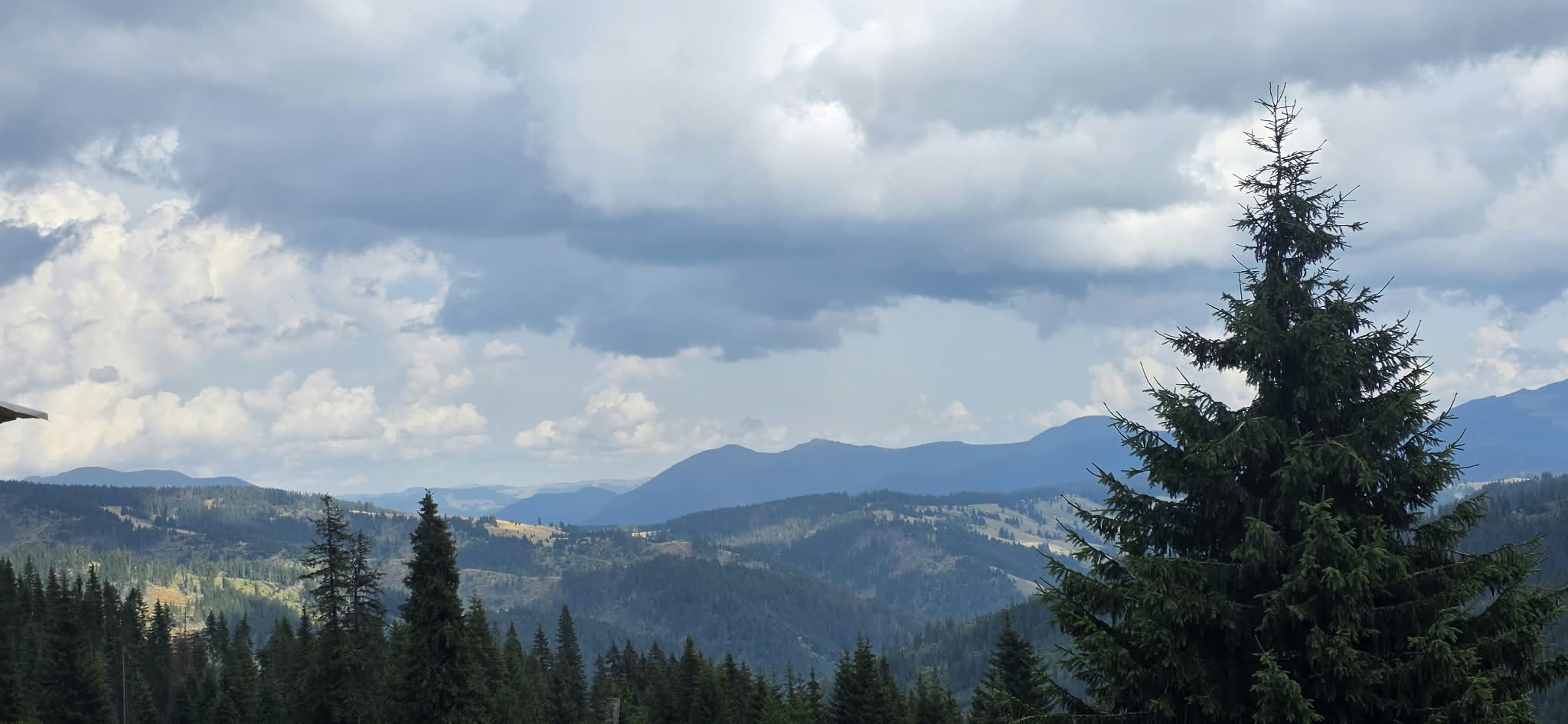
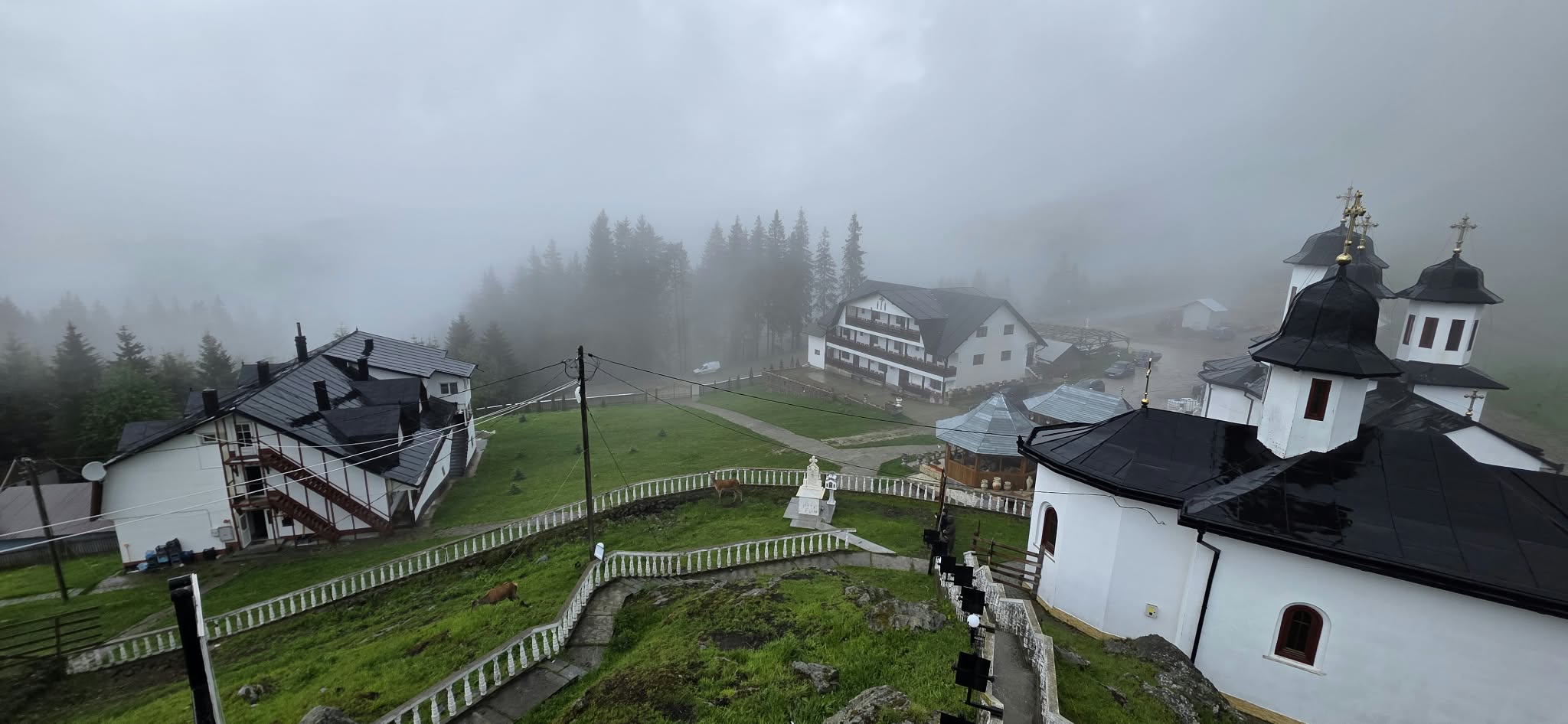
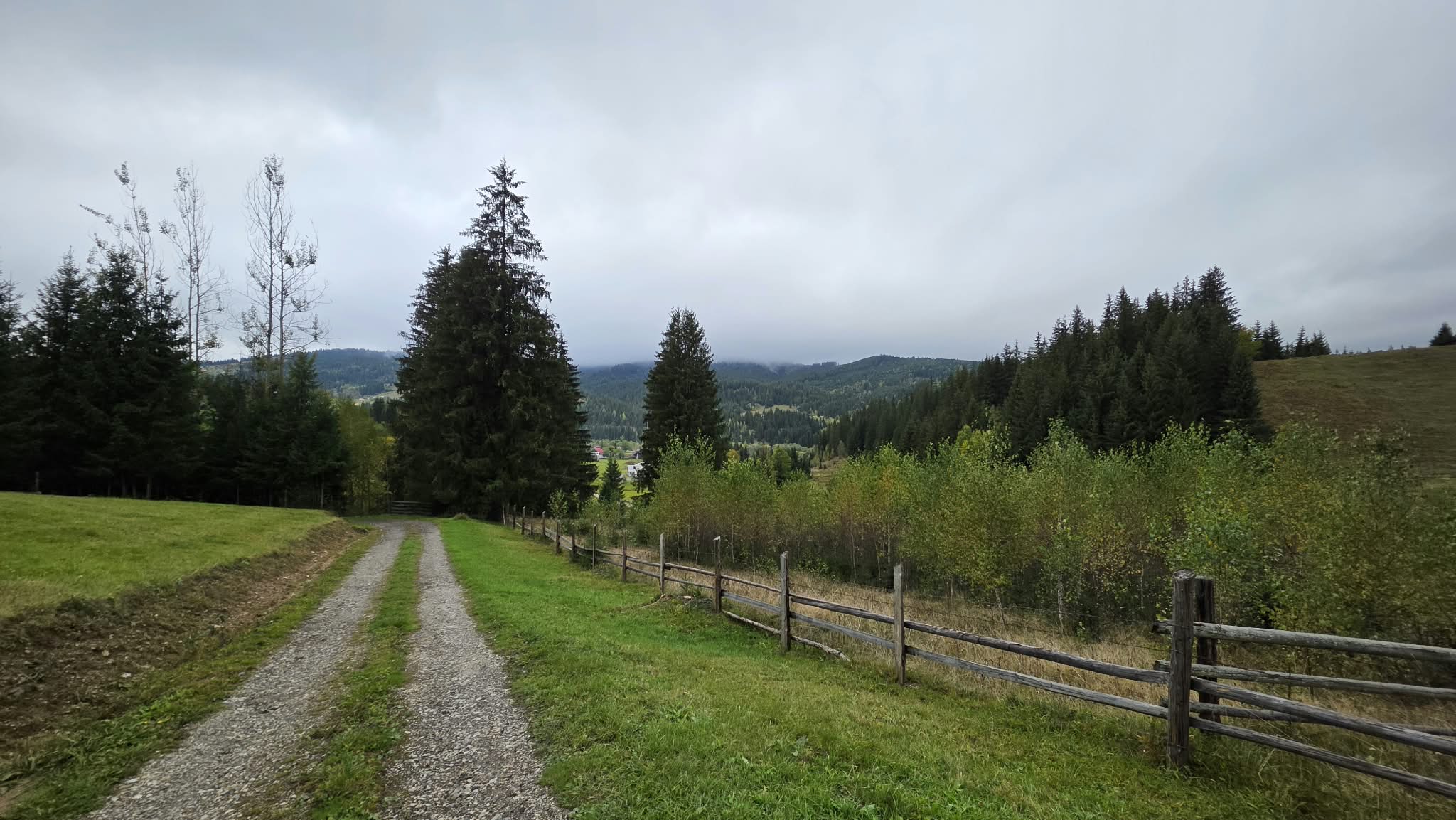
The Dorna Basin brings together, within a compact territory, some of the most valuable resources of Romanian mountain tourism: the Călimani Mountains, forests, mineral waters, landscapes, mountain villages, Bucovinian architecture, gastronomy, local products, traditions, people who preserve knowledge and craftsmanship, guesthouses, local gastronomic points and a new generation of entrepreneurs bringing new experiences.
The direction we are pursuing starts from the enhanced and responsible capitalisation of these resources, in balance with the environment, while simultaneously highlighting human resources, living heritage and the tangible heritage of local communities.
Essentially, this is a construction centred on place and people.
Several communities, one Dorna experience
Șaru Dornei, Dorna Arini, Panaci and Dorna Candrenilor form the core around which this micro-destination can be structured.
Local administrations bring the perspective of territorial development and investment, while operators from these communities give substance to the tourism experience through accommodation, gastronomy, recreation, local production and services.
From Poiana Stampei and Vatra Dornei, the private operators participating in the programme complement this economic and tourism geography.
The meeting documents reflect this broad formula, in which local administrations meet with mountain-area institutions and a strong private sector.
For the tourist, the Dorna Basin can be experienced as a natural succession of experiences.
Morning in a Bucovinian house.
An outing towards the Călimani Mountains.
Lunch at a local gastronomic point.
A stop at a mountain producer.
A recreational experience.
A few hours of wellness.
In the evening, in a guesthouse where the host still knows the story of the place.
This is the perspective we intend to develop: several communities, the same Dorna experience.
Nature – the fundamental resource
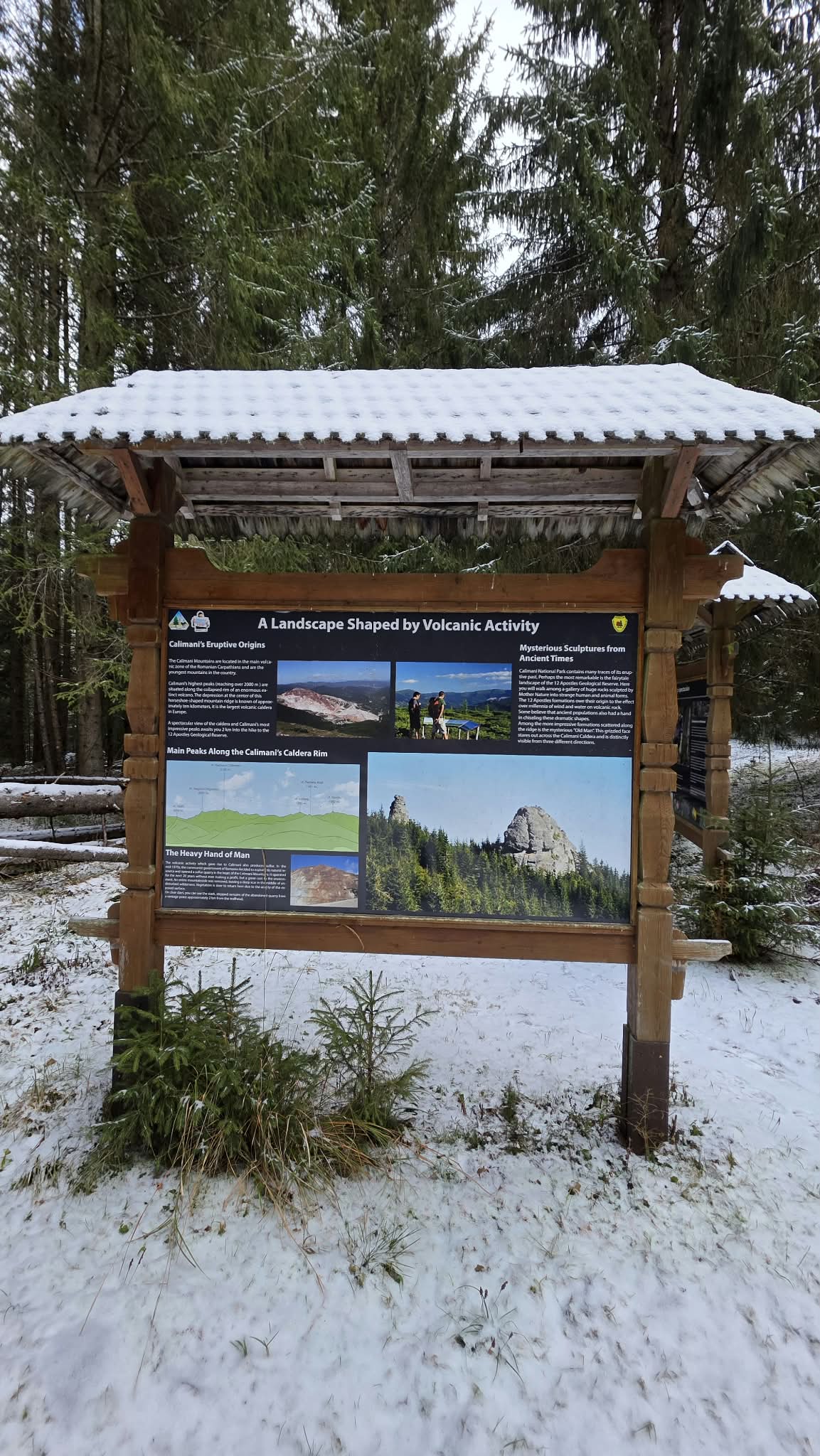
The Călimani Mountains are one of the major anchors of the micro-destination.
Through the Călimani National Park Administration, represented at the meeting by Liviu HUȚANU, we have the expertise needed to regard natural heritage as a valuable tourism resource, used responsibly and integrated into a coherent experience.
Trails, forests, wildlife, landscapes, nature observation, guided experiences and mountain education can complement the profile of the Dorna Basin.
Within the same framework, discussions also addressed the hunting resources and the opportunities that specialised activities associated with this resource can generate.
The focus remains on added value.
A well-managed natural resource can support high-value tourism experiences, the local economy and an interest in preserving the heritage that generates this value.
A Bucovinian house can become a destination
Authentic accommodation represents one of the important opportunities of the Dorna Basin.
Bucovinian houses, mountain households, guesthouses built in the spirit of the place, and properties preserving the local architecture and atmosphere can themselves become part of the tourism product.
Today’s traveller is increasingly looking for an authentic sense of place.
Materials, architecture, the stove, wood, the courtyard, the table, the family story and the surrounding landscape come together to create value.
In this regard, we intend to carefully analyse the accommodation offer within the micro-destination and highlight those locations that best express the identity of the Dorna area.
Gastronomy – living heritage
Local gastronomic points are part of the same approach.
They represent one of the most direct encounters between the tourist and the living heritage of a community.
A family recipe, an ingredient produced at home, the story behind a meal, the preparation method and the person who cooks all have remarkable tourism value.
The Dorna Basin has this resource.
We envisage the gradual integration of local gastronomic points into the micro-destination routes and their connection with guesthouses, producers and tourism activities.
Gastronomy can become one of the voices through which the Dorna Basin tells its story.
Mountain products – the taste of the mountains
The presence of the National Agency for the Mountain Area, represented by Cătălina URSU and Ovidiu BACUY, brings an essential component to this construction: the mountain economy and mountain products.
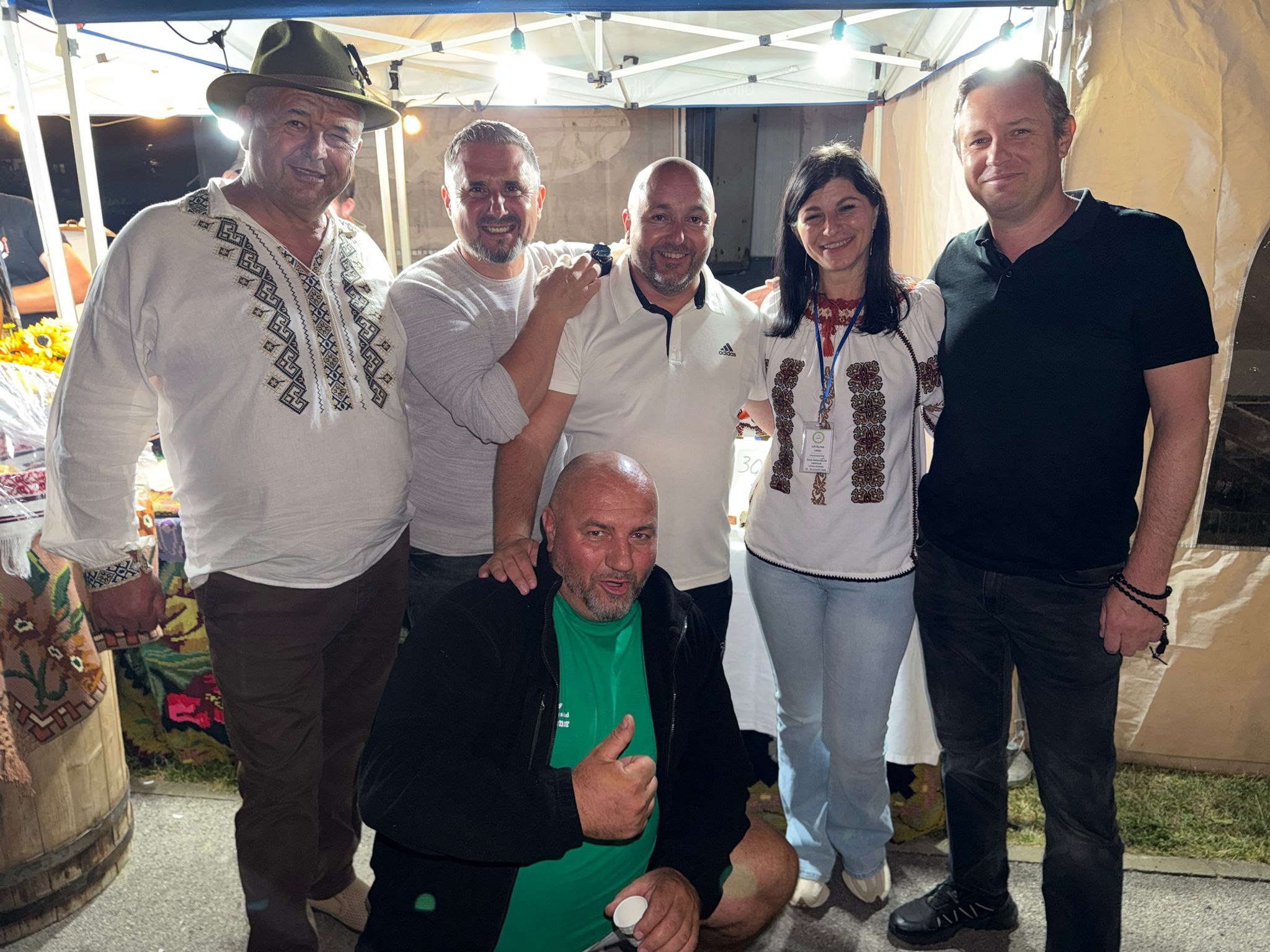
Producers such as Adrian CRUCEANU, with certified dairy and mountain products, demonstrate very concretely the connection that can be established between agriculture, local products and tourism.
Cheeses, dairy products, honey, trout, local dishes and products made by households in the area can enrich the tourist’s route through direct encounters with the people who produce them.
This is where one of the important VIA MOLDAVIA ideas emerges: a mountain product can become a tourism experience, while the producer can become part of the destination’s story.
In this way, a larger share of the value generated by tourism can circulate within the local economy.

People – the living heritage of the mountains
Human resources are just as important a component as the landscape.
A mountain destination preserves its identity through the people who know the mountains, through households, crafts, traditions, professions, stories and knowledge passed down through generations.
A special moment of the meeting was the presence of Professor Radu REY.
At the venerable age of 86, Professor Radu REY remains close to the mountain community through the experience and wisdom accumulated during a life dedicated to agriculture and the mountain economy.
Currently, CEMONT is led by Ioan SORDU, and this continuity between accumulated experience and the generation currently managing the institution has important significance for the Dorna territory.
CEMONT can bring to this construction an in-depth perspective on the mountains viewed simultaneously as a natural, economic, social and cultural space.

Eco Țara Dornelor – experience accumulated in the territory
Alongside mountain-area institutions, Eco Țara Dornelor, represented by Andrei CHIRILĂ, brings the experience of an organisation that knows the communities, local stakeholders and the specific characteristics of the territory.
Local entrepreneurship brings new momentum
The Dorna Basin also has a generation of entrepreneurs beginning to create different experiences.
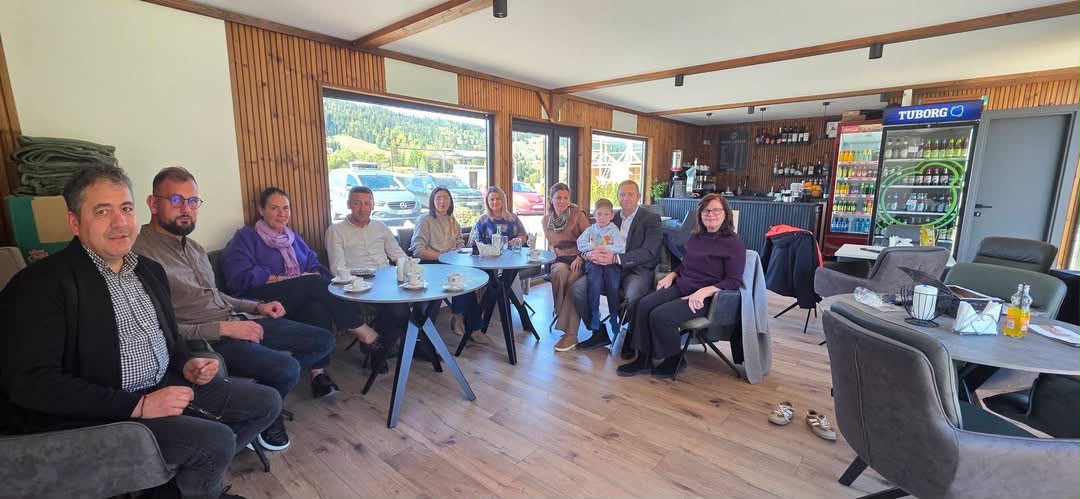
One example is the Casa Țilică project, which combines accommodation, Cafeneaua Țilică and recreational activities through a zip line.
It is an interesting formula precisely because of the diversity of the experience.
Tourists can spend more time here, use a local service and then discover other attractions in the territory.
Around such initiatives there is an extensive network of guesthouses, cabins, campsites, tourist complexes and other local businesses in Șaru Dornei, Dorna Arini, Panaci, Poiana Stampei and Vatra Dornei. The meeting documents confirm the strong presence of this entrepreneurial sector.
The VIA MOLDAVIA focus is on identifying those operators and experiences that can function complementarily.
Dorna Candrenilor – wellness and diversification of the experience
From Dorna Candrenilor, the representative of the local administration brought into discussion investments that can complement the tourism profile of the area.
Among these, the SPA project offers an interesting perspective for developing wellness, relaxation and health tourism.
This direction fits very well with the specific character of the Dorna Basin.
A day spent in the destination can bring together nature and movement, gastronomy and local products, relaxation and wellness.
For tourists, the result means more options. For the territory, it means the possibility of a more complex stay and greater locally generated economic value.
Tangible heritage and the memory of place
Alongside nature and gastronomy, we also intend to pay attention to tangible heritage.
Traditional architecture, household objects, churches, elements of pastoral culture, former occupations and the historical traces of communities can enrich the tourism experience.
Their value increases when they are interpreted and brought to life through stories.
An old house, an object, a family photograph or a traditional working technique can become part of the memory that the tourist takes home.
Thus, the micro-destination gains cultural depth, while heritage finds an active role in the contemporary economy of the place.

Broșteni – the connection with the Bistrița Valley
The participation of entrepreneurs from Broșteni, already involved in the Bistrița Valley Micro-Destination, added a regional dimension to the meeting.
The Dorna Basin and the Bistrița Valley can function complementarily.
The Călimani Mountains, the Dorna area, Broșteni and the Bistrița Valley route form a natural succession of landscapes and experiences.
We envisage the gradual development of connections between operators from the two micro-destinations, allowing tourists to continue their journey through the region and discover different products within a single circuit.
This is one of the fundamental ideas of VIA MOLDAVIA: micro-destinations with their own identities, connected within a broader regional experience.
The next stage: selection, organisation and connection
The meeting in Șaru Dornei provided us with a comprehensive picture of the resources that the Dorna Basin can capitalise on.
The next stage involves identifying and selecting relevant attractions, operators, producers and experiences.
We intend to analyse how the following can be connected:
- nature and outdoor activities;
- Bucovinian houses and authentic accommodation;
- local gastronomic points and mountain products;
- living heritage and tangible heritage;
- recreation and entrepreneurial initiatives;
- wellness and mountain experiences;
- the Dorna Basin and neighbouring micro-destinations.
As this structure takes shape, the selected elements can also be integrated into the VIA MOLDAVIA Platform, in a coherent presentation of the micro-destination.

The Dorna Basin – a living territory
The approach through which we intend to develop this micro-destination can be summarised very simply:
Mapping the micro-destination – from map to experience
An important objective of the meeting was the effective mapping of the micro-destination, starting from a central point and a standard radius of 20 kilometres.
The VIA MOLDAVIA methodology uses this radius to identify and geolocate relevant resources, with the actual distances, travel times and accessibility to be verified subsequently.
The process focuses on the six fundamental components of the tourism offer:
accommodation, gastronomy, attractions, events, experiences and services.
For each of these, existing resources and possibilities for integration into a broader tourism offer are identified.
Mapping therefore makes it possible to see not only what exists within the territory, but also the relationships between resources.
An attraction can become the starting point of a route. An experience can complement a visit to an attraction. Gastronomy can become a stop on a circuit. An accommodation facility can serve as a base for exploring the micro-destination. An event can create an additional reason to visit.
In this way, the map becomes the first tool for building a coherent tourism experience.
From routes to tourism products
An important objective of the meeting was to analyse how the identified resources can be transformed into tourist routes and circuits.
VIA MOLDAVIA uses a phased process:
SELECT → VALIDATE → BUILD → TEST → SELL.
This sequence allows resources to be first selected and validated, then brought together into tourism products and tested from the tourist’s perspective.
For each product, concrete elements are considered, such as the route, included services, capacity, period, indicative price, target audience and sales channel.
In the case of the Dorna Basin, this process may lead to the development of products combining local experiences, attractions, services, gastronomy and activities, giving tourists more options for discovering the territory.

A micro-destination to be discovered in every season
One of the important directions in developing a micro-destination is creating an offer that can function throughout the entire year.
Diversifying experiences makes it possible to reduce dependence on a single season and provides different reasons for tourists to return.
In this regard, the Dorna Basin can be developed through an offer combining outdoor experiences with gastronomy, events, heritage, services and local activities.
Building an events calendar and integrating it into the overall offer can contribute to creating new reasons to travel during different periods of the year.
At the same time, tourism products can be adapted according to the season, length of stay and tourist profile.
The Dorna Basin within the VIA MOLDAVIA – Northern Route network
An essential element of the meeting was identifying the connections between the Dorna Basin and the other micro-destinations of VIA MOLDAVIA – Northern Route.
Within the methodology, the micro-destination is not treated as a tourism island, but as part of a network in which each territory can represent a starting point, a stop or a continuation of the journey.
Entry and exit points, connections with neighbouring micro-destinations, main routes and secondary links are therefore analysed.
Looking ahead, these connections may enable the creation of 2–7-day inter-micro-destination circuits, as well as the development of functional links between the Northern Route and the other VIA MOLDAVIA routes.
For the Dorna Basin, this regional integration can contribute to increasing visibility and extending the tourism journey beyond the boundaries of a single micro-destination.
From physical territory to digital experience
A modern tourism offer must be accessible not only within the territory, but also in the digital environment.
After resources have been identified and validated, the information enters the VIA MOLDAVIA workflow of proposal, profiling, validation, translation, publication and updating. Invitatie_program_VIA_MOLDAVIA_…
Through the integration of data into the back office and application, tourists will be able to discover information about the micro-destination more easily and build their own itinerary.
This component is essential for transforming local information into a practical travel tool.
Tourists are not simply looking to find out what exists; they want to know what they can do, how much time they need, where they can go, how they can get there, where they can eat, where they can stay and what they can discover next.
From this perspective, technology becomes a tool that connects the local offer with the tourist’s decision-making process.
Preparing the Dorna Basin to meet the market
An important moment in the VIA MOLDAVIA process will be the VIA MOLDAVIA International Tourism Fair, scheduled for 26–28 October 2026, at the Palace of Parliament in Bucharest.
The meetings held in the territories represent the stage of building, validating and structuring the offer, while the fair will constitute the stage of presentation and connection with the tourism market.
Within this framework, representative products and packages can be presented, promotional materials can be prepared, and B2B meetings can be organised with travel agencies, operators and interested partners.
The VIA MOLDAVIA methodology directly connects the territorial process with the presentation and commercial networking stage, so that the work carried out in the micro-destinations can be transformed into concrete offers for the market.
For the Dorna Basin, this moment may represent an opportunity to present the territory in an integrated form, through products, experiences and routes reflecting the diversity of the micro-destination.

What is being built through the VIA MOLDAVIA process
The meeting dedicated to the Dorna Basin contributes to building an operational picture of the micro-destination: what exists, where it is located, how it can be accessed, how it can be connected and what can become a tourism product.
The process aims to create an operational map, a register of attractions and services, identify regional connections, build the first routes and circuits, and develop the first tourism product sheets.
At the same time, the information required to complete the back office will be identified, together with the elements that need to be updated in order to maintain a relevant tourism offer.
The desired outcome is for the resources identified in the territory to be transformed into a clear, verified, connected offer ready for promotion and commercialisation.
VIA MOLDAVIA – Northern Route Meeting Calendar:

The first meeting in this series took place in Târgu Neamț on 1 September 2026, dedicated to the RN-02 – Târgu Neamț – Neamț Fortress, monasteries and the Bison Land micro-destination. The meeting focused on identifying tourism resources and building an experience connecting heritage, spirituality, nature and local hospitality.
On 3 September 2026, the process continued in Bicaz, for micro-destination RN-01, with a focus on nature, landscape, recreation and local experiences. The territory analysed includes Bicaz, Bicazu-Ardelean, Bicaz-Chei, Tarcău, Ceahlău, Hangu, Grințieș and Durău. The meeting emphasised the need to connect resources and transform them into tourism experiences and products.
On 8 September 2026, at the Panoramic Complex in Slănic Moldova, CAPDR organised a new VIA MOLDAVIA working meeting dedicated to the Trotuș Valley Micro-Destination – spa tourism, nature, heritage and recreation, as part of the process of identifying, connecting and capitalising on local tourism resources through integrated products and experiences.
Within the VIA MOLDAVIA programme, on 10 September 2026, CAPDR organised a working meeting in Gura Humorului dedicated to Micro-Destination RN-07 – Ariniș and the Gura Humorului ski area, focusing on identifying and capitalising on local tourism resources.

The VIA MOLDAVIA working meeting dedicated to the Talienilor Road Micro-Destination, held on 21 September 2026 in Mălini, Suceava County, brought together representatives of public administration, the tourism, forestry and business sectors to build an integrated tourism offer.
CAPDR organised the VIA MOLDAVIA working meeting dedicated to the Talienilor Road micro-destination
On 25 September 2026, the VIA MOLDAVIA meeting dedicated to the TransRarău Micro-Destination and ski area took place in Vama.
On 28 September 2026, in Sucevița, the VIA MOLDAVIA meeting dedicated to developing the Ținutul Mănăstirilor micro-destination took place, through the integrated capitalisation of local heritage, spirituality and tourism resources.
On 9 October, the calendar provides for the meeting dedicated to RN-10 – Botoșani Cultural – Memorial Houses and Cultural Heritage. The date has been established, while the location is to be confirmed. The micro-destination will have Botoșani Municipality and the surrounding territory as its indicative area.
Continuing the calendar, the meeting dedicated to RN-11 – Iași – business tourism, city breaks and religious tourism will take place on a date to be confirmed. The micro-destination will have Iași Municipality and the surrounding territory as its indicative area.
The meeting for RN-15 – Red Lake is also scheduled for a date to be confirmed, with the indicative territorial area Red Lake / Harghita. It will complete the series of micro-destinations included in the VIA MOLDAVIA calendar.