CAPDR organized the VIA MOLDAVIA working meeting dedicated to the Bistrița Valley micro-destination
Mesaje publice
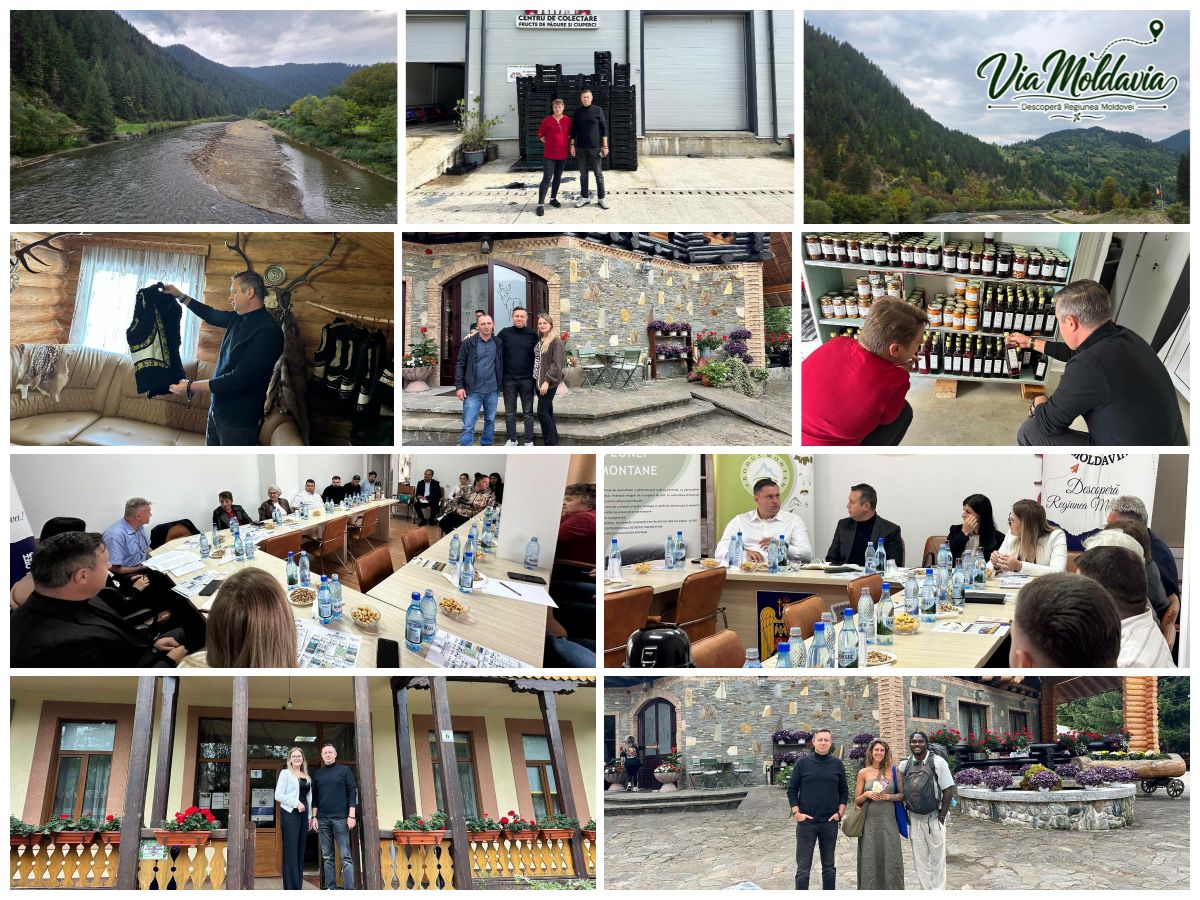
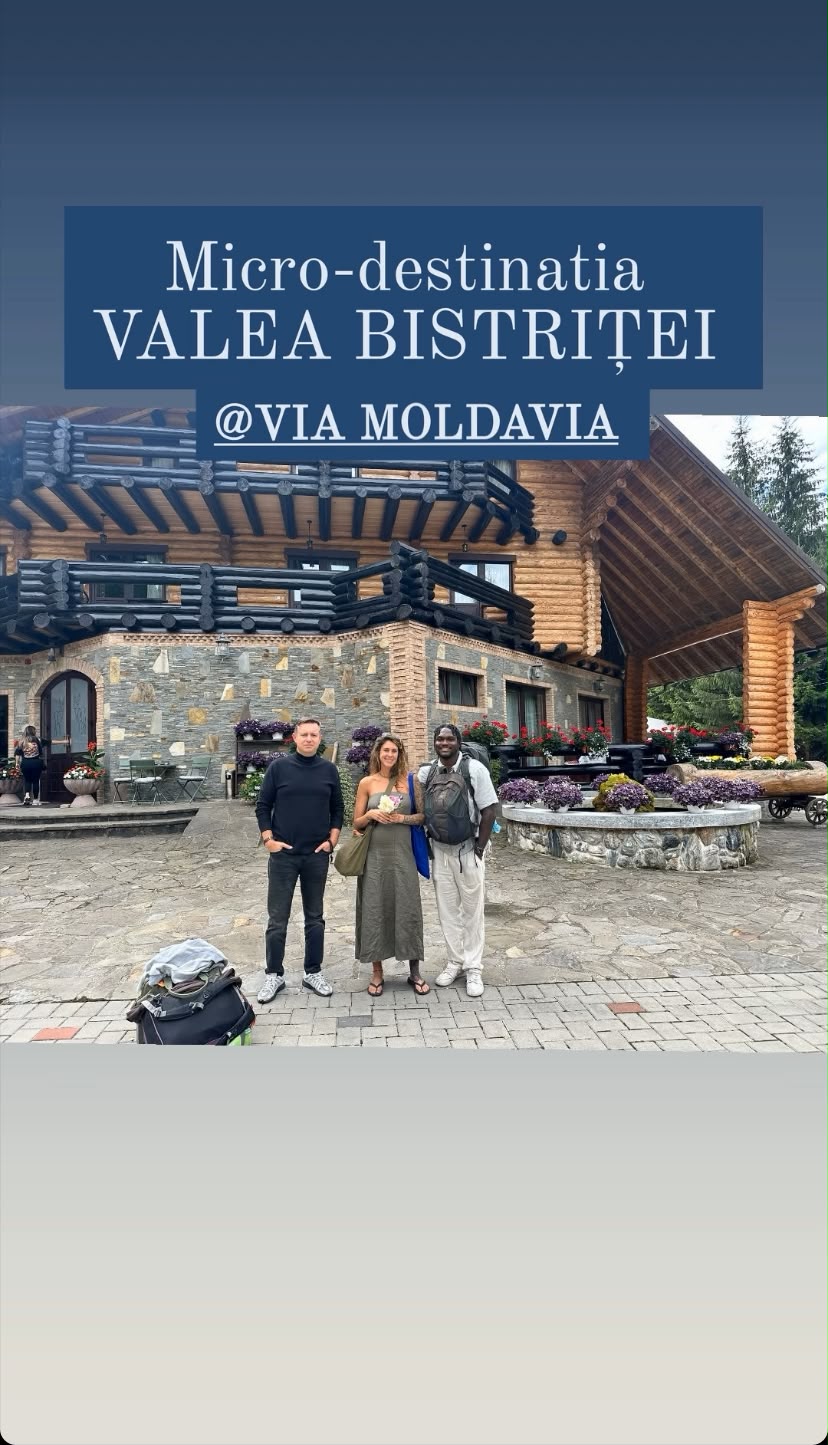
The VIA MOLDAVIA Programme (Romania–Republic of Moldova) continued its series of territorial meetings dedicated to the development of tourism micro-destinations through the meeting devoted to the VALEA BISTRIȚEI Micro-Destination.

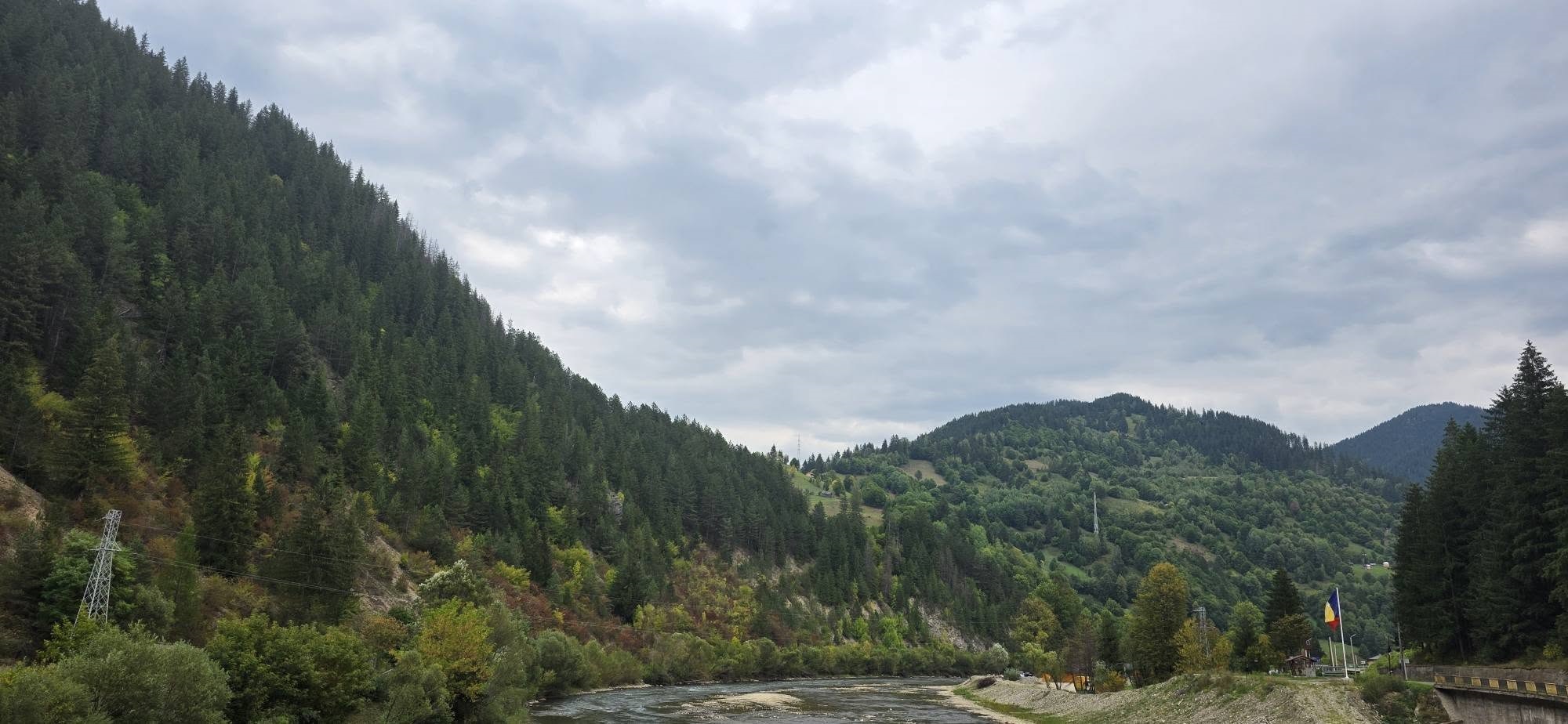
The meeting took place in Fărcașa, Neamț County, bringing together the communities developed along the Bistrița River, within a territory connecting Suceava and Neamț counties.
At this stage, the administrative core of the micro-destination consists of Dorna Arini – Broșteni – Borca – Fărcașa – Poiana Teiului.
Dorna Arini and Broșteni represent the Suceava County component, while Borca, Fărcașa and Poiana Teiului continue the route in Neamț County. Representatives of the five administrations participated in the VIA MOLDAVIA meeting.
Bistrița – an axis of life, continuity and development
Rivers have always been sources of life and natural axes of development for communities. Settlements emerged around them, roads and trade routes developed, economies were built, traditions were passed down, and people were brought closer together.
Water means resources, continuity, mobility and connection. Throughout history, the great rivers and waterways of the world have shaped spaces of civilisation, brought regions closer together and supported the development of communities settled along their courses.

The Bistrița carries the same force
Communities, families, households and economic activities have developed along the river. For generations, people, goods, timber, stories and traditions have travelled along the Bistrița. Today, the same river can connect tourism, gastronomy, local producers, mountain products, cultural heritage, leisure activities and economic initiatives.
Within the section included in the development of VIA MOLDAVIA, the Bistrița naturally connects Dorna Arini – Broșteni – Borca – Fărcașa – Poiana Teiului. The river provides geographical continuity. The communities give it identity. People give it life. Tourism transforms this identity into a coherent regional experience.
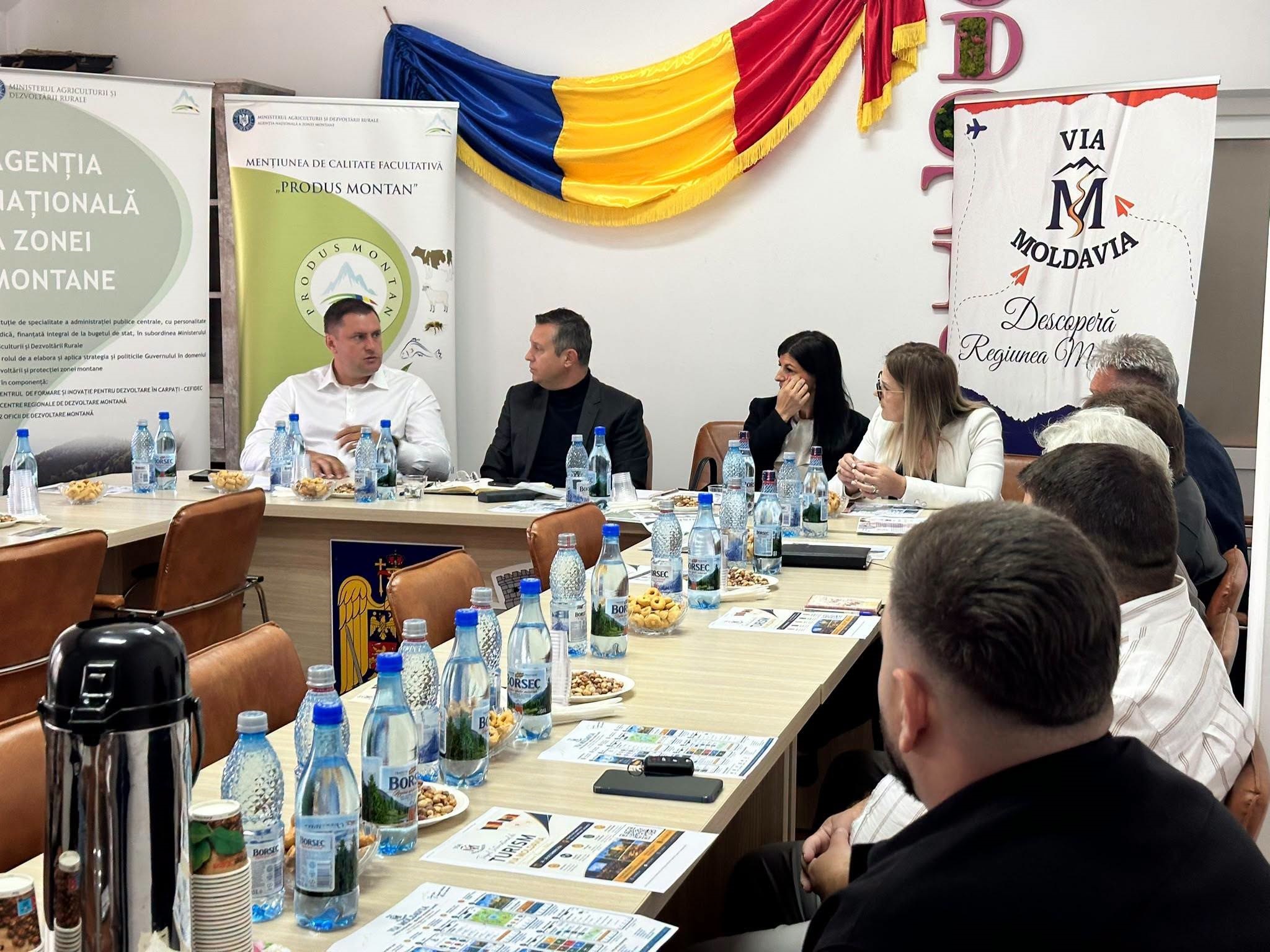
The river connects. Communities build the destination
Along its course, the Bistrița creates a natural succession of settlements, landscapes and people. Connections between its communities have been built over time through families, the economy, trade, traditions, mobility and local culture. Today, a new dimension is being added: tourism.
The traveller successively discovers Dorna Arini, Broșteni, Borca, Fărcașa and Poiana Teiului, while the river provides a natural thread of orientation and continuity. Each community brings its own resources: mountains, forests, water, accommodation, gastronomy, local products, traditions, people and stories. Together, these form the substance of the Valea Bistriței Micro-Destination.

Public administration, tourism, mountain products and the local economy
The meeting brought together representatives of local public administration, accommodation facilities, tourism operators, the gastronomy sector, local producers, the mountain economy, the forestry sector and education.
The participation of the National Agency for the Mountain Area – ANZM places the mountain product dimension at the heart of the development process. The Bistrița Valley has complementary natural and economic resources: mountain products, forest berries, mushrooms, local gastronomy, guesthouses, mountain lodges, nature activities and tourism services.
The local product complements the tourism product. Gastronomy tells the story of the place. The guesthouse extends the tourist’s stay. The local producer adds authenticity. The river and the mountains provide the natural setting. The community provides the identity.
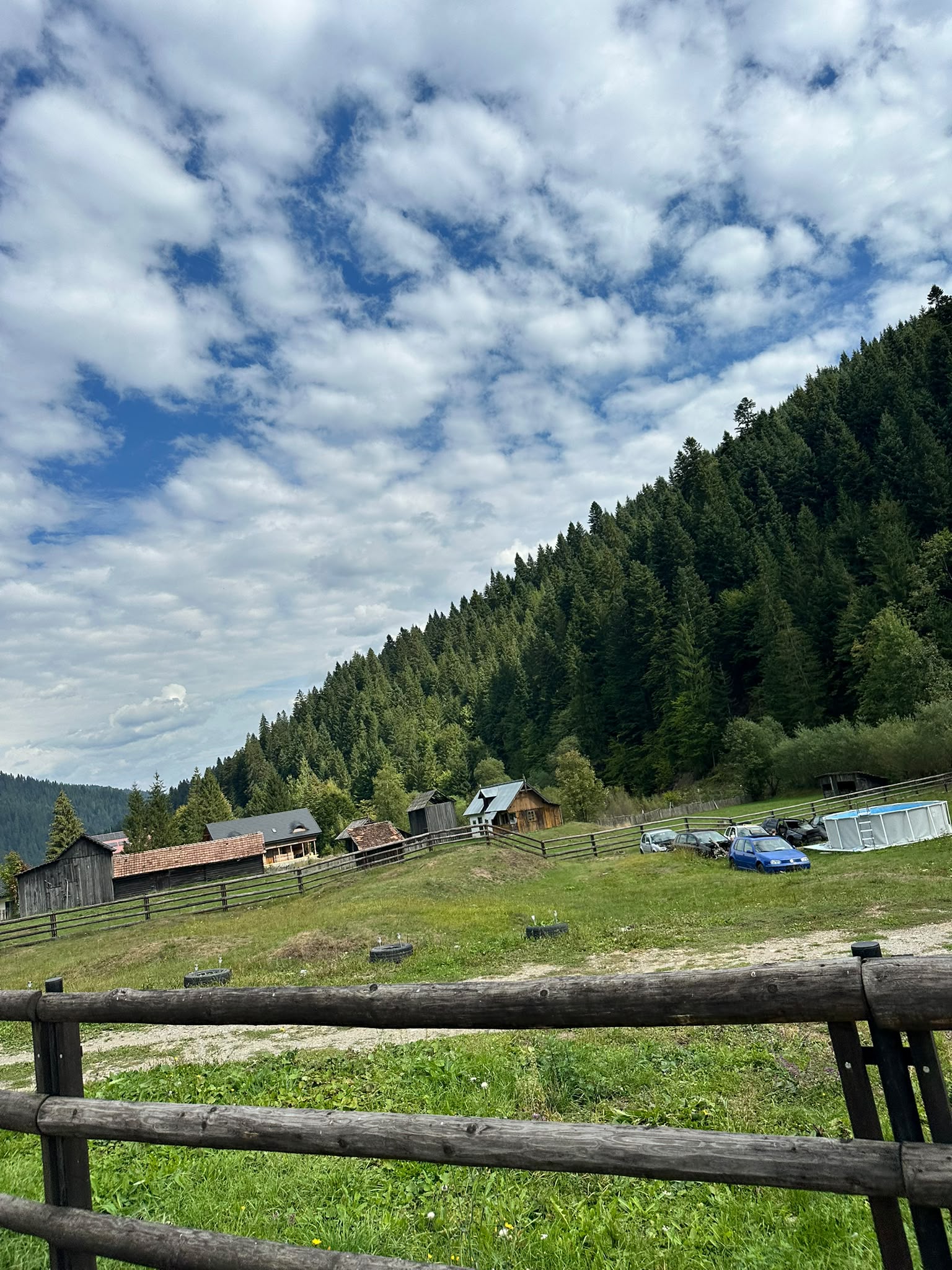
Meeting participants
The meeting attendance list and subsequent checks establish the following institutional and economic representation:
- Ion ȘTEFANOVICI — CAPDR – President; meeting organiser
- Bogdan ȚIFUI — Town Hall Fărcașa – Mayor
- Alexandru CHIRILĂ — Town Hall Poiana Teiului – Mayor
- Alexandra NIȚĂ — Town Hall Borca – Mayor
- Cosmin TODOSIA — Town Hall Broșteni – Public Administrator
- Voicu OLARU — Town Hall Dorna Arini – representative of the local administration
- Daniel LAZĂR — consulting services for local development strategies, including for the area’s administrations
- Vasilica CREȚU — Town Hall Fărcașa – Project Inspector
- Gabriela PETRESCU — Town Hall Fărcașa – Secretary General
- Alexandru TEODORESCU — Fărcașa educational institution – Director
- George TĂNASE — Borca Forestry District – Forestry Engineer
- Cătălina URSU — National Agency for the Mountain Area – ANZM
- Ovidiu BACIU — National Agency for the Mountain Area – ANZM
- Maria ROTARIU — Pasul Ursului Lodge – designated representative
- Liliana AANEI — Forest Berries and Mushrooms Collection Centre – AMY / local producer
- Ștefan TOFAN — Popasul Vânătorului Guesthouse
- Valentina UNGUREANU — Viviana Guesthouse – Administrator
- Luminița ILISESCU — Casa Brădet / Rosmarin – Administrator
- Claudia HURJUI — Local Gastronomic Point – Poiana Teiului – Administrator
- Gabriel SANDU — Stanca Estate – Dorna Arini
- Andrei SANDU — Stanca Estate – Dorna Arini
- Victor CAIA — Tyf Travel – Administrator
- Elvira STRATU — Brândușa Lodge – Administrator




The Literary Bistrița Valley – a direction for educational tourism
Discussions on school camps outlined a promising direction for students from Romania and the Republic of Moldova: educational experiences built around the literary landmarks of the Bistrița Valley.
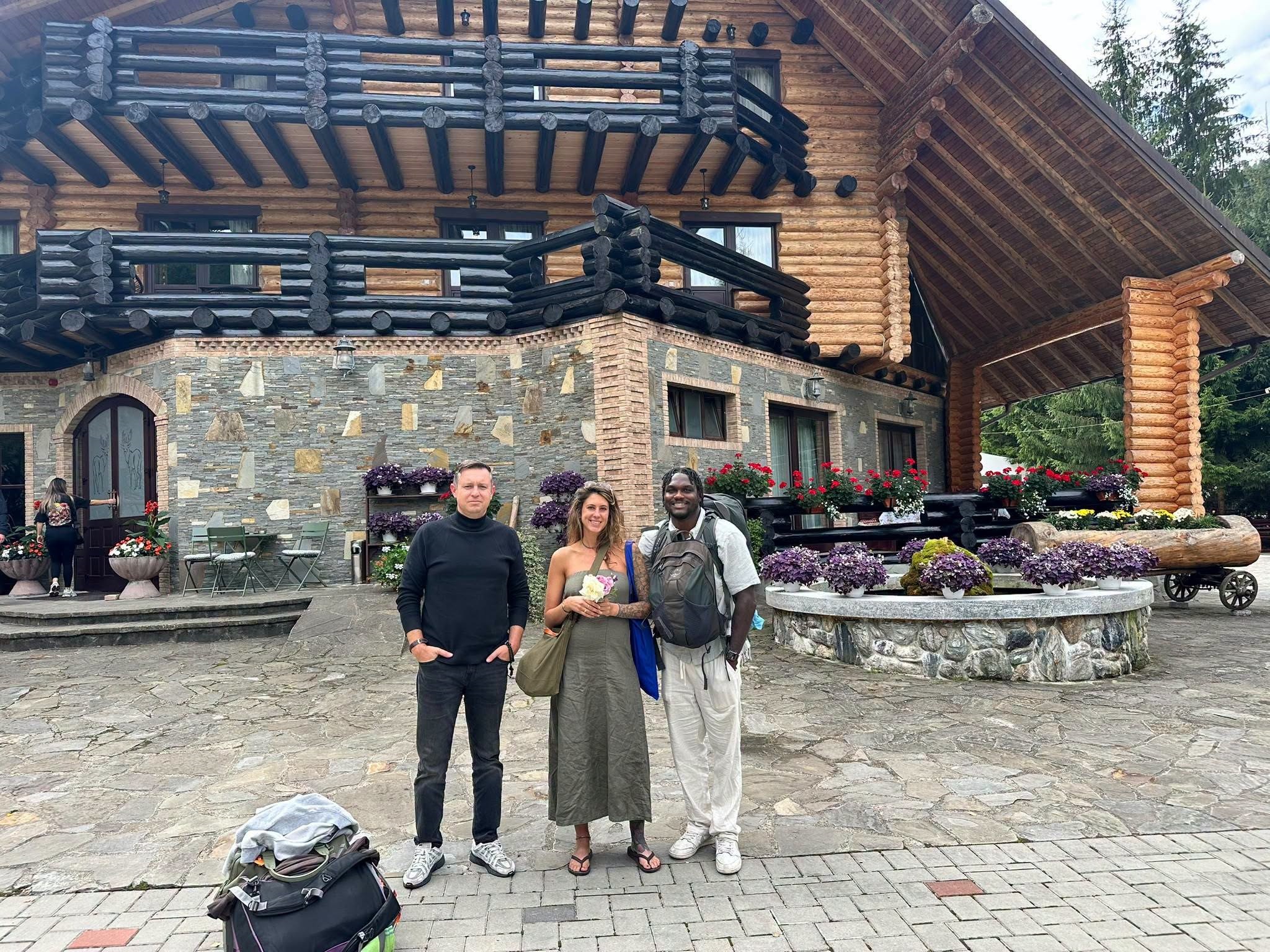
The routes can incorporate the world of the novel Baltagul, the writings of Calistrat Hogaș and landmarks associated with Ion Creangă in Broșteni, including the school he attended and the episode of Casa Irinucăi, known from his autobiographical world. Stanca Estate, accommodation facilities and educational institutions can support camp programmes that bring reading closer to the places, landscapes and communities where literature gains a living context.

Mountain resources become part of the tourist experience
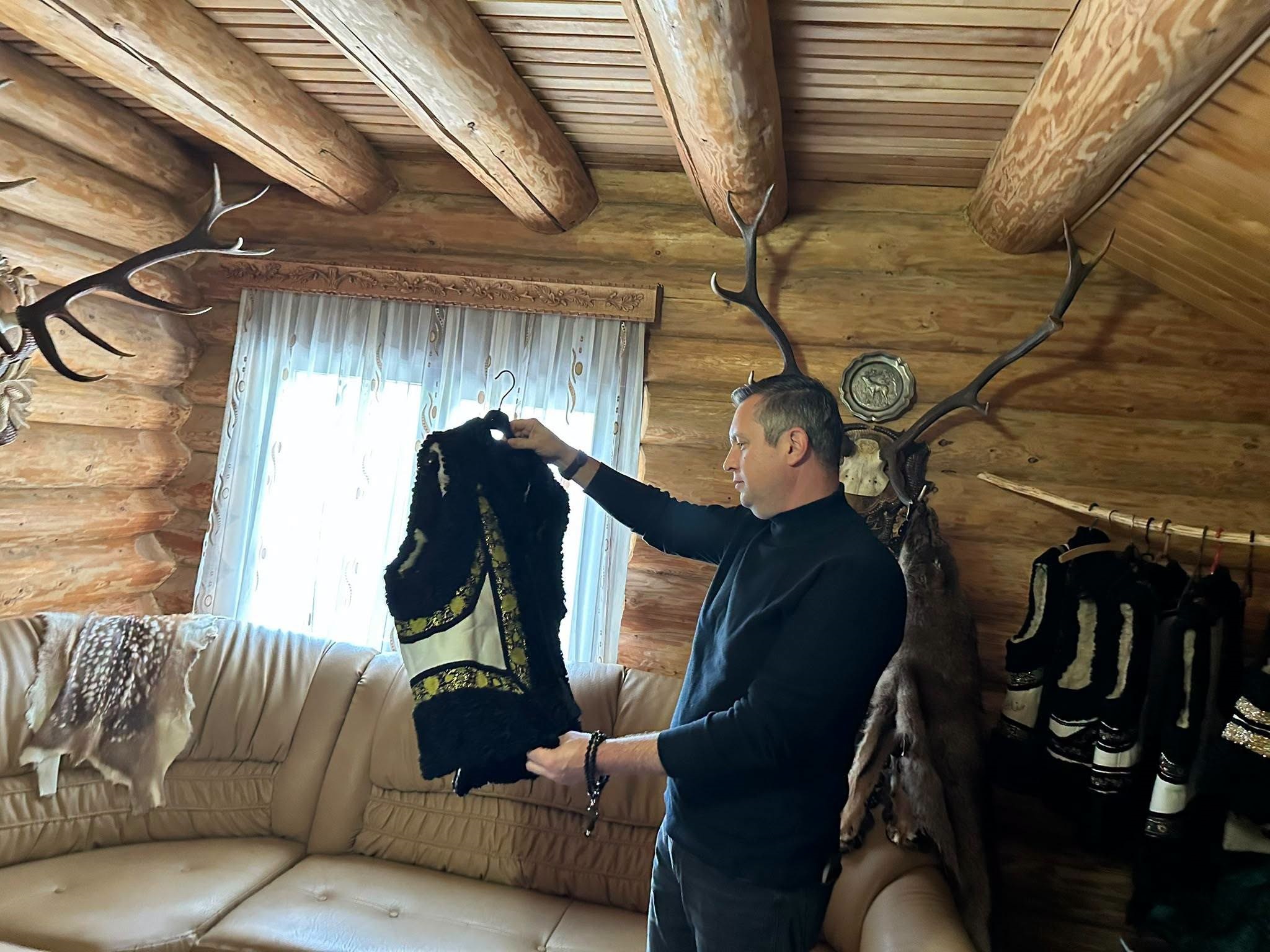
Field visits and discussions highlighted the economic resources that can support the development of the Valea Bistriței Micro-Destination. The Forest Berries and Mushrooms Collection Centre – AMY is an example of how mountain resources can be collected, capitalised on and integrated into the local economy.
Forest berries, mushrooms, mountain products and gastronomy can become landmarks of the tourist experience. The tourist discovers the product where it originates, meets the producer, learns the story behind the product and tastes the character of the place. The direct relationship between the territory, producer and tourist brings value to the local economy and identity to the destination.

Fărcașa – an events calendar for community, tradition and cooperation
Between 16 and 18 October 2026, the commune of Fărcașa is preparing a programme of events that complements the profile of the Valea Bistriței Micro-Destination through territorial development, gastronomy, culture and community life.
16 October 2026, 11:00 – “Bistrița Valley – Communities Building Together”
An event dedicated to dialogue on cooperation and integrated territorial development in mountain communities, organised by the Mountain Forum of Romania – Neamț Branch, in partnership with Fărcașa Town Hall, Neamț County Council, North-East Regional Development Agency, the Mountain Forum of Romania and the ROMONTANA Association. Venue: Orient Restaurant, Frumosu village, Fărcașa commune, Neamț County.
- Opening of the meeting: Bogdan-Dumitru Țifui – Mayor of Fărcașa and President of FMR Neamț
- Mountain communities and a new approach to territorial development: Radu-Adrian Rey – President, Mountain Forum of Romania
- “Along the Bistrița” – a cooperation platform between communities: conf. univ. dr. Ioan Gâf-Deac – Executive President, ROMONTANA
- From cooperation to integrated territorial investments – an ITI approach for the Bistrița Valley: Vasile Asandei – General Director, North-East Regional Development Agency
- The perspective of the mountain communities of the Bistrița Valley: contributions from mayors and invited institutions
- Round table: “What can we do together in the Bistrița Valley?”: open discussion
- Conclusions and presentation of the event on 11 December 2026: “Along the Bistrița – Communities, Heritage, Future”, Vatra Dornei – International Mountain Day
- 13:30: lunch

17 October 2026, 12:00 – “Tradition and Gastronomy in Fărcașa Commune, Neamț County” Fair – 4th edition
Event organised in collaboration with Neamț County Council – “Carmen Saeculare” Centre for Culture and Arts, Piatra Neamț. Venue: Târg Frumosu area – Fărcașa, Neamț. Presenter: Talida Cozma.
- 12:00–13:00 – Mlădițele Fărcașei
- 13:00–13:30 – official opening of the event
- 13:30–14:00 – Codrii Stânișoarei Ensemble – dance performance; coordinator Dumitrița Petrescu
- 14:00–14:30 – Florile and Codrișorii Stânișoarei Vocal Group – vocals; coordinator Marcela Bondar
- 14:30–15:00 – Izvoarele Borcutului Ensemble – dance performance; coordinators Marius and Alina Budăi
- 15:00–15:30 – Dumitru Luca
- 15:30–17:00 – Floricică de la Munte Folk Ensemble, including Țârdea Ștefan, Laurențiu Marian and guests
- 17:00–18:00 – Paula Hriscu
- 18:00–19:00 – Fetele de la Botoșani
- 19:00–20:00 – campfire
18 October 2026, 16:00 – Householders’ Ball
A programme dedicated to the community, featuring awards for couples who have reached 50 years of marriage and retired teachers, organised in collaboration with Neamț County Council – “Carmen Saeculare” Centre for Culture and Arts, Piatra Neamț. Venue: Grand Salon Orient Frumosu – Fărcașa, Neamț. Presenter: Talida Cozma. Resident band: Est Music – Aflorei Neculai.
- 16:00–16:30 – official opening of the event
- 16:30–17:00 – awards for couples celebrating 50 years of marriage and retired teachers
- 17:00–19:00 – Est Music Band
- 19:00–20:00 – Plăieșii Ethno-Folkloric Ensemble
- 20:00–21:00 – Est Music Band
- 21:00–24:00 – Vali Vijelie and Orchestra
Fărcașa brings to the Valea Bistriței Micro-Destination a vibrant calendar of events in which community development, local products, gastronomy and culture meet within the same territory.

An economy built around the tourist’s stay
The Bistrița Valley benefits from a significant flow of travellers and tourists. The development of the micro-destination aims to transform this flow into a broader experience: tourists find reasons to stop, have a meal, meet a producer, purchase a local product, discover a route, spend one or more nights, take part in an activity and return.
Every additional hour spent in the micro-destination means added value for the local economy. Every overnight stay supports entrepreneurs. Every product purchased supports producers. Every successful experience builds the reputation of the destination as a whole.
An identity built around the Bistrița
The Valea Bistriței Micro-Destination has a strong and easily understood identity marker: the Bistrița River. It crosses the communities, connects people, supports the local economy, shapes the landscape and facilitates the movement of people and resources.

Dorna Arini – Broșteni – Borca – Fărcașa – Poiana Teiului.
Five communities. Two counties. One river that gives life and connects communities.
VALEA BISTRIȚEI Micro-Destination
The Bistrița gives life to communities. Communities give identity to the destination

Preparing the Bistrița Valley for VIA MOLDAVIA International Tourism Fair
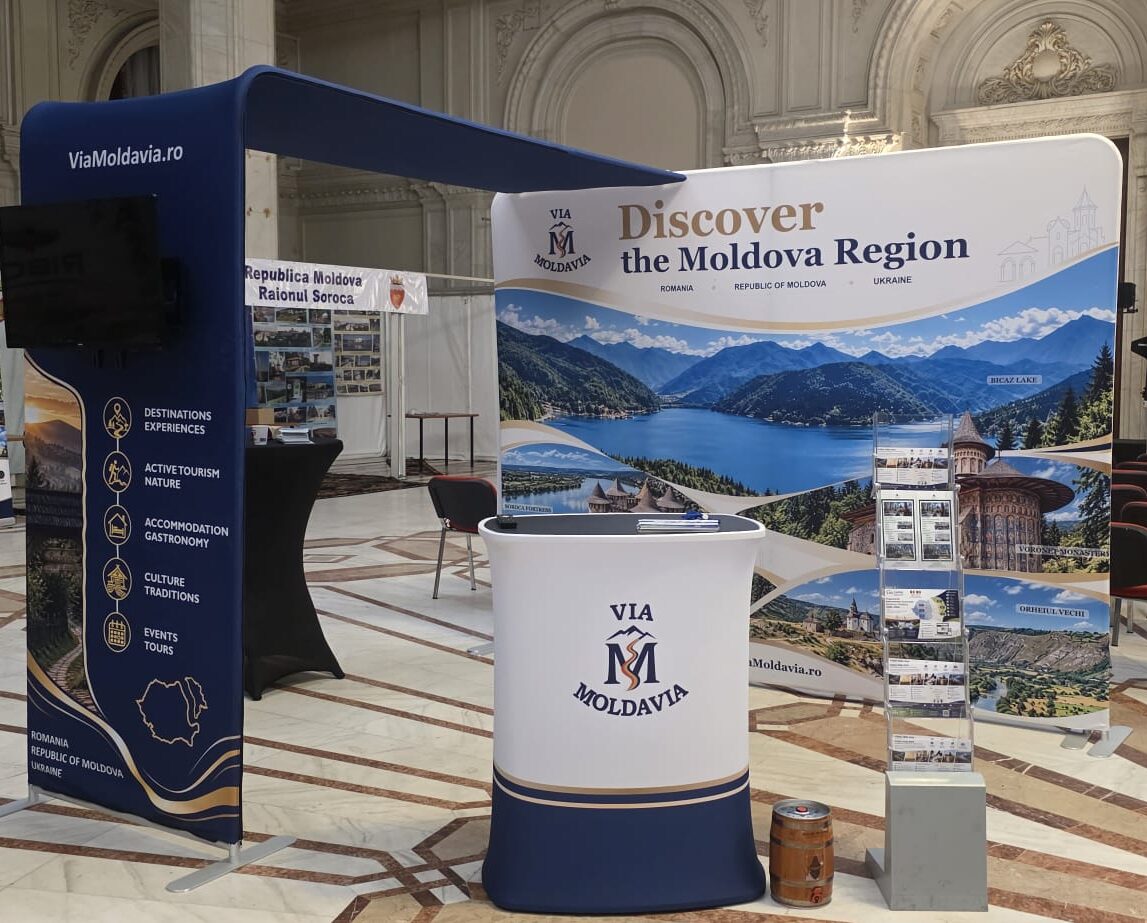
An important milestone for the entire process is VIA MOLDAVIA International Tourism Fair, scheduled for 26–28 October 2026, at the Palace of Parliament in Bucharest.
If the territorial meetings represent the stage of building the offer, the fair will constitute the stage of presentation, networking and contracting.

At this stage, the focus will be on the selection of representative products and packages, preparation of presentation materials, identification of relevant B2B meetings, presentation of projects and destinations to agencies, operators and partners, as well as preparation of commercial relationships and contracting.
Therefore, the work carried out during the meeting in Fărcașa has a concrete purpose: building a tourism offer for the Bistrița Valley that can be presented, promoted, connected with partners and brought to market.

What results from the micro-destination development process
The VIA MOLDAVIA methodology aims for each meeting to contribute to a series of concrete outcomes: the working map of the micro-destination, the initial register of attractions, services, experiences, events and projects, the list of connections with the Northern Route and relevant intersections with the Central Route and Southern Route, the first local routes and inter-micro-destination circuits, the first tourism product sheets, the data required for back-office operations and publication in the application, as well as the preliminary selection of offers for presentation and B2B meetings at the VIA MOLDAVIA Fair.
This process also involves establishing local responsibilities and deadlines for completing and updating information so that the offer can remain accurate and relevant over time.
VIA MOLDAVIA continues across the territories
The meeting dedicated to the micro-destination Valea Bistriței is part of the official calendar of VIA MOLDAVIA – Northern Route meetings, which continues across several territories and is progressively building a regional tourism network.
Calendar of VIA MOLDAVIA – Northern Route meetings:

The first meeting in this series took place in Târgu Neamț on 1 September 2026, and was dedicated to the micro-destination RN-02 – Târgu Neamț – Neamț Fortress, monasteries and the Land of the Bison. The meeting focused on identifying tourism resources and building an experience connecting heritage, spirituality, nature and local hospitality.
On 3 September 2026, the process continued in Bicaz, for micro-destination RN-01, with a focus on nature, landscapes, leisure and local experiences. The territory analysed includes Bicaz, Bicazu-Ardelean, Bicaz-Chei, Tarcău, Ceahlău, Hangu, Grințieș and Durău. The meeting emphasised the need to connect resources and transform them into tourism experiences and products.
On 8 September 2026, at the Panoramic Slănic Moldova Complex, CAPDR organised a new VIA MOLDAVIA working meeting dedicated to the Valea Trotușului Micro-Destination – spa tourism, nature, heritage and leisure, as part of the process of identifying, connecting and capitalising on local tourism resources through integrated products and experiences.
On 21 September, the series of meetings will continue with RN-13 – Talienilor Road, in a distinctive setting at the Suceava Forestry Directorate Lodge. The indicative territorial area will include Mălini, Berchișești, Moara, Brăiești, Cornu Luncii, Slatina, Valea Moldovei and Găinești.
On 25 September, the meetings will continue with RN-08 – TransRarău and the ski area, at the Vama Town Hall Council Chamber. Câmpulung Moldovenesc, Vama, Prisaca Dornei, Valea Bistriței, Stulpicani and Ostra will be part of the indicative territorial area analysed within this micro-destination.

On 28 September, VIA MOLDAVIA will dedicate a new meeting RN-05 – Land of the Monasteries, to be held at Sucevița Town Hall. The micro-destination will bring together Sucevița, Voroneț, Dragomirna, Putna and the associated monastic area, with an approach focused on integrating heritage into a regional tourism circuit.

On 2 October, the series will continue with RN-04 – Dornelor Basin, with the meeting hosted by Șaru Dornei Town Hall. The indicative area of this micro-destination includes Șaru Dornei, Dorna Arini, Panaci, Dorna Candrenilor, Vatra Dornei and Poiana Stampei.
On 6 October, the programme will include a stage dedicated to RN-14 – Chișinău, Republic of Moldova. The meeting is scheduled to take place at the Ministry of Economic Development and Digitalisation in Chișinău and will have the Republic of Moldova as its indicative territorial area, strengthening the prospect of connecting the VIA MOLDAVIA network with the Romania–Republic of Moldova cross-border component.

On 9 October, the calendar provides for the meeting dedicated to RN-10 – Cultural Botoșani – memorial houses and cultural heritage. The date has been set, while the venue is to be confirmed. The micro-destination will have Botoșani Municipality and the surrounding territory as its indicative area.
Further along the calendar, the meeting dedicated to RN-11 – Iași – business tourism, city breaks and religious tourism will have a date to be confirmed. The micro-destination will have Iași Municipality and the surrounding territory as its indicative area.
The meeting for RN-15 – Red Lake is also scheduled for a date to be confirmed, with the indicative territorial area of Red Lake / Harghita. This will complete the series of micro-destinations included in the VIA MOLDAVIA calendar.

A micro-destination connected to a regional tourism network
The meeting in Fărcașa represented a new stage in the process through which VIA MOLDAVIA transforms local resources into an organised, connected and market-oriented tourism offer.
For the Bistrița Valley, the process sought to connect the territory, local stakeholders and tourism resources, identify routes and experiences, create links with neighbouring micro-destinations and lay the groundwork for developing tourism products that can be promoted within the VIA MOLDAVIA network.
Through this methodology, each micro-destination is developed locally, connected regionally, validated through the network and transformed into a tourism experience through VIA MOLDAVIA.
The Bistrița Valley thus becomes a new component of the Northern Route, in a process in which the territory develops its own offer, while the local offer is connected to a regional tourism network with prospects for promotion, cooperation and market access.